

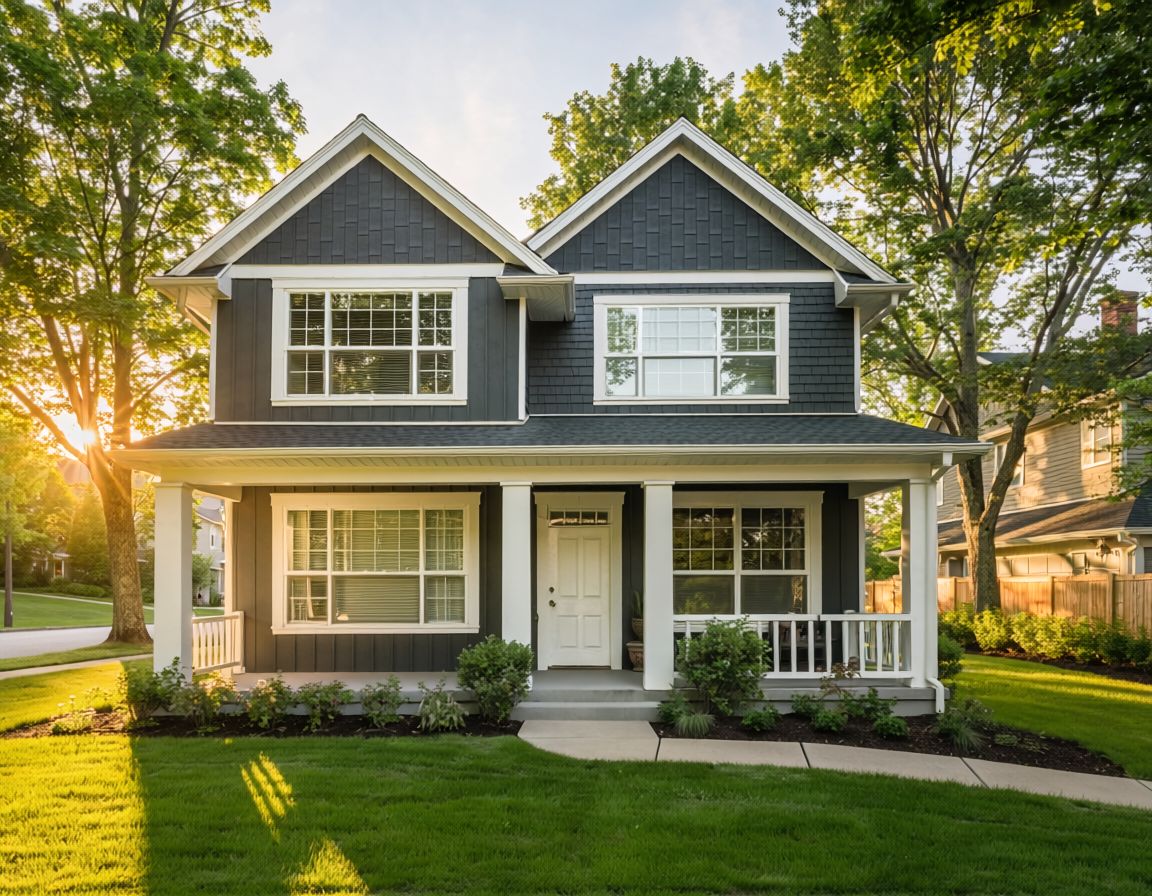
As we look ahead to 2026, windows are no longer just functional openings in your walls—they’re integral to your home’s energy performance, aesthetic appeal, and daily comfort. With advancements in materials, smart technology, and design, the best windows now offer seamless integration with modern lifestyles, from maximizing natural light to minimizing heat loss in challenging climates. For homeowners considering a replacement, choosing the right brand and style can transform drafty, outdated frames into efficient, beautiful features that enhance every room. In cold climates, where winters demand superior insulation and summers call for UV protection, selecting windows that balance durability, efficiency, and style is crucial. This guide spotlights four leading brands—Marvin, Windsor, Andersen, and Pella—exploring their standout styles and innovations for 2026. Drawing from emerging trends and real homeowner upgrades, we’ll break down what makes each brand unique, how their styles suit various home architectures, and why professional installation is key to unlocking their full potential.
Whether your current windows are fogging up from condensation, sticking in their tracks, or simply not keeping up with your home’s energy needs, understanding these brands empowers you to make a choice that elevates your living space. We’ll cover classic and contemporary styles, material options like wood-clad, fiberglass, and vinyl composites, and features that address cold-weather challenges. Throughout, we’ll highlight the essential role of professional contractors, who bring expertise to assess your home’s specific requirements, recommend the ideal brand and style, and execute installations that ensure airtight seals and optimal performance. Their guidance not only avoids common pitfalls but turns a replacement into a customized enhancement that protects against the elements. As you upgrade your windows, you’ll also discover how this project can inspire a full exterior refresh, creating a cohesive look that’s both beautiful and functional.
Marvin Windows — Best for Custom and High-End Projects
Don’t write a brochure. Write what you actually know from installing these windows.
Marvin occupies the premium end of the residential window market, and you feel the difference in the product the moment you handle it. The frames are heavier, the hardware is more refined, and the finish quality is noticeably above mass-market brands. We install Marvin primarily on custom homes, major renovations, and projects where the homeowner is making architectural choices — not just replacing what’s there.
Product lines worth knowing:
Marvin Elevate (formerly Integrity) — This is the line we install most. The exterior is Ultrex fiberglass, which is exceptionally stable in Minnesota’s temperature swings. Unlike vinyl, Ultrex doesn’t expand and contract noticeably between -20°F and 90°F, so the sashes operate smoothly year-round and the seals stay tight. The interior is bare wood that can be painted or stained to match trim. Available in casement, double-hung, awning, gliding, and picture styles.
Marvin Ultimate — The full custom line. Wood interior, aluminum-clad exterior. Virtually unlimited configurations including custom shapes, sizes, and divided lite patterns. This is the line you choose when the windows are a design feature, not just a functional element. We install these on high-end renovations and new builds where the architect has specified exact profiles.
Marvin Essential — Marvin’s entry point. All-fiberglass construction (interior and exterior), more limited style options, but still carries Marvin’s build quality. A good option when you want Marvin performance without the wood interior or the premium price.
When we recommend Marvin: Homes valued above $500,000, projects with architectural complexity (large openings, non-standard shapes, specific design requirements), and homeowners who prioritize long-term performance and aesthetics over initial cost. Marvin is not the budget choice — but it’s the window you install once and never think about again.
Minnesota performance: The Ultrex fiberglass in the Elevate line is genuinely superior to vinyl in cold-weather stability. We’ve installed these in homes across Minnetonka and the western suburbs and the feedback on winter performance has been consistently strong — no condensation on the frames, no sticking sashes in January, no flexing.
Andersen Windows — Best All-Around Value
Andersen is the most widely recognized window brand in the country, and for good reason — they offer a broad product range that covers everything from builder-grade to near-custom, with strong warranties and wide dealer availability. For most Twin Cities homeowners replacing windows, an Andersen product line is going to be in the conversation.
Product lines worth knowing:
Andersen 400 Series — The workhorse. Wood interior with vinyl exterior (Perma-Shield cladding). Available in every standard style. This is the line that built Andersen’s reputation, and it’s the one we install most often for whole-house replacements in the $300,000-$500,000 home range. Solid energy ratings, proven cold-weather performance, and a traditional look that works with most architectures.
Andersen 100 Series — Andersen’s Fibrex composite line. Fibrex is a blend of reclaimed wood fiber and thermoplastic polymer — it’s more dimensionally stable than vinyl in extreme temperatures and doesn’t require painting. The 100 Series is priced below the 400 Series and is a strong mid-range option. We recommend it for homeowners who want better-than-vinyl performance without going to a full wood-interior product.
Andersen A-Series — The premium architectural line. Wood interior with aluminum exterior. More customization options than the 400 Series, including custom colors, divided lite patterns, and specialty shapes. This competes with Marvin Ultimate and Pella Architect on design flexibility.
Andersen E-Series — Full custom. Any color, any configuration, any size. This is Andersen’s answer to Marvin Ultimate for architects and designers who need exact specifications. We install these on custom builds where the spec calls for Andersen specifically.
When we recommend Andersen: The 400 Series is our most-recommended Andersen product for standard replacements. It hits the right balance of quality, price, and proven performance. The 100 Series is excellent when budget is tighter but the homeowner doesn’t want basic vinyl. The A-Series and E-Series are for design-driven projects where customization matters.
Minnesota performance: Andersen is headquartered in Bayport, Minnesota — about 20 miles from our office. Their products are engineered for this climate. The Fibrex composite in the 100 Series handles freeze-thaw cycling well, and the 400 Series wood-core frames provide natural insulation that outperforms straight vinyl in cold weather.
Pella Windows — Best Fiberglass Line
Pella competes directly with Andersen across most price points but stands out in one area: their Impervia fiberglass line is arguably the best fiberglass window available at a mid-range price point. If fiberglass is what you’re after, Pella should be on your shortlist.
Product lines worth knowing:
Pella Impervia — All-fiberglass construction. Extremely strong, dimensionally stable, and resistant to warping, swelling, and cracking in extreme temperatures. The frames are thinner than vinyl (which means more glass and more light) while being structurally stronger. This line is Pella’s standout product and the one we recommend most often from their lineup. Available in casement, double-hung, awning, sliding, and picture styles.
Pella Lifestyle Series — Wood interior with aluminum-clad or fiberglass exterior. Comparable to Andersen’s 400 Series in positioning and price. Solid all-around window with good customization options. The integrated between-the-glass blinds and shades are a unique Pella feature that some homeowners love (no dusting, no tangled cords).
Pella 250 Series — Vinyl construction. Pella’s entry-level replacement line. Decent energy ratings and a clean look, but it doesn’t differentiate itself from other vinyl options the way Impervia does in fiberglass. If you’re shopping vinyl, Simonton offers comparable quality at a lower price point.
When we recommend Pella: When fiberglass is the priority. The Impervia line is the window we’d point to for homeowners who want something tougher and more stable than vinyl but don’t want to pay for a wood-interior product. It’s particularly well-suited for large openings where frame strength and slim profiles matter.
Minnesota performance: Fiberglass expands and contracts at nearly the same rate as the glass it holds, which means Pella Impervia frames maintain their seal integrity through Minnesota’s extreme temperature swings better than vinyl frames do. In practical terms: fewer air leaks, less condensation, and smoother operation in the dead of winter.
Windsor Windows — Best for Wood Interior on a Budget
Windsor is the least known of the five brands we carry, but it consistently earns praise from homeowners who choose it. If you want a real wood interior window without Marvin or Andersen pricing, Windsor belongs in the conversation.
Product lines worth knowing:
Windsor Pinnacle — Wood interior with aluminum-clad exterior. This is Windsor’s flagship and the line that competes most directly with Andersen 400 and Pella Lifestyle. The wood quality is excellent, the hardware options are extensive, and the customization (grid patterns, colors, finishes) is competitive with brands that charge more. Available in casement, double-hung, awning, gliding, and specialty shapes.
Windsor Legend — A step up from Pinnacle with additional design options and broader hardware selections. This line targets homeowners building or renovating with specific architectural goals.
Windsor Next Dimension — Windsor’s vinyl line. Multi-chamber vinyl construction with optional fiberglass reinforcement for improved structural integrity. Competitive with Andersen 100 Series and Pella 250 Series on price and performance.
When we recommend Windsor: When the homeowner loves the look and feel of a wood-interior window but the budget doesn’t stretch to Marvin. The Pinnacle series offers genuine wood interior quality — not a woodgrain laminate on vinyl — at a price point that falls between Andersen 100 and Andersen 400. It’s an underrated product that we think deserves more attention than it gets.
Minnesota performance: The Pinnacle’s aluminum-clad exterior handles moisture and temperature extremes without the maintenance that exposed wood demands. The multi-chamber vinyl construction in the Next Dimension line provides solid thermal resistance. Windsor may not have the name recognition of Andersen or Pella, but the product performs.
Simonton Windows — Best Value in Vinyl
If vinyl is your material and value is your priority, Simonton is hard to beat. They manufacture exclusively vinyl windows, which means their entire R&D and manufacturing focus is on making the best vinyl product possible rather than spreading resources across wood, fiberglass, and composite lines.
Product lines worth knowing:
Simonton 5500 Reflections — The most popular Simonton line and the one we install most frequently for budget-conscious whole-house replacements. Multi-chamber vinyl profiles, dual weatherstripping, Low-E glass with argon gas standard. Available in double-hung, casement, slider, awning, picture, bay, and bow. Solid energy ratings and a clean appearance.
Simonton 6500 Series — Simonton’s premium vinyl line. Contoured frame profile that looks more refined than standard flat vinyl. More color and hardware options, including the newer black and bronze interior and exterior finishes that give a more modern appearance. Advanced glass packages including triple-pane are available. This line competes with Pella 250 and Andersen 100 on aesthetics while staying in the vinyl price range.
Simonton 6100 / 6200 Series — Narrow-frame designs that maximize glass area and natural light. Good options for contemporary homes where you want the largest possible view area from a vinyl window.
Simonton Impressions 9800 — A step above the 5500 with additional style options and enhanced hardware. A good mid-point if the 5500 feels too basic but the 6500 stretches the budget.
When we recommend Simonton: Full-house replacements where the homeowner wants quality vinyl at the best possible price per window. If you’re replacing 15-20 windows and the budget matters, Simonton 5500 or 6500 gives you ENERGY STAR performance, solid construction, and a double-lifetime warranty (transferable to the next homeowner) at a lower per-window cost than Andersen, Pella, or Marvin.
Minnesota performance: Vinyl gets a bad reputation in cold climates from people who experienced cheap vinyl windows in the 1990s. Modern multi-chamber vinyl like Simonton’s performs well in our winters. The 5500 and 6500 both achieve ENERGY STAR certification for the Northern climate zone. That said, vinyl does expand and contract more than fiberglass or Ultrex composite — if that bothers you, step up to Pella Impervia or Andersen 100.

Which Brand Should You Choose? Our Recommendations
This is the section that makes your post rank. Give real guidance.
Best for most Twin Cities homes: Andersen 400 Series. It’s the right balance of quality, price, cold-weather performance, and resale recognition. When buyers see Andersen windows on a listing, they know what they’re getting.
Best for budget-conscious whole-house replacement: Simonton 5500 or 6500. Solid vinyl construction, good energy ratings, competitive pricing. The smart choice when you’re replacing every window and want to keep the total project cost manageable.
Best fiberglass option: Pella Impervia. Strongest frame at a mid-range price, thinner profiles for more glass, and excellent thermal stability in extreme temperatures.
Best for high-end and custom projects: Marvin Elevate or Ultimate. Premium materials, maximum design flexibility, and the kind of fit and finish that stands out on architecturally distinctive homes.
Best wood interior on a reasonable budget: Windsor Pinnacle. Real wood inside, aluminum-clad outside, at a price point below Andersen 400 and Marvin.
What to Look for Beyond the Brand Name
U-factor: This is the most important energy metric for Minnesota. It measures how much heat escapes through the window. For our climate zone (Northern), look for U-factors of 0.28 or lower for double-pane and 0.19-0.22 for triple-pane. All five brands we install offer product lines that meet or beat these numbers.
ENERGY STAR Northern Zone certification: Confirms the window meets efficiency standards for cold climates. Every product line we’ve recommended above qualifies.
Glass package: Low-E coating and argon gas fill should be standard, not an upgrade. For homeowners planning to stay 10+ years, consider triple-pane glass — the additional insulation and noise reduction are noticeable in a Minnesota winter.
Installation type: Insert (retrofit) installation fits a new window inside your existing frame. Full-frame replacement removes the entire old frame and starts fresh. If your existing frames have rot, settling, or damage — common in pre-1980 Twin Cities homes — full-frame is the right call even though it costs more.
Warranty: All five brands offer strong warranties, but read the details. Some cover the glass seal for the full warranty term, others limit it. Some are transferable to a new homeowner, others aren’t. Simonton’s double-lifetime warranty is particularly strong on the transferability front.
Quick Comparison — All Five Brands at a Glance
Add this table at the top so readers get immediate value:
| Brand | Frame Materials | Best Product Line | Price Range (per window, installed) | Best For | Our Take |
|---|---|---|---|---|---|
| Marvin | Fiberglass, wood-clad, Ultrex composite | Elevate (Ultrex fiberglass) | $1200-$2,500+ | Custom homes, architecturally distinctive projects | Premium quality, highest design flexibility |
| Andersen | Fibrex composite, wood, vinyl-clad | 400 Series | $1350-$2900 | Best all-around value for most homes | Most recognized brand, strong warranty, wide availability |
| Pella | Fiberglass (Impervia), wood, vinyl | Impervia (fiberglass) | $1400-$2,200+ | Homes that need fiberglass durability at mid-range pricing | Excellent fiberglass line, strong dealer network |
| Windsor | Vinyl, wood-clad | Pinnacle (wood-clad) | $1300-$2800 | Homeowners wanting wood interior with vinyl exterior | Underrated brand, very good customization |
| Simonton | Vinyl exclusively | 5500 Reflections / 6500 Series | $1200-$2700 | Budget-conscious full-house replacements | Best value in vinyl, solid energy ratings |
Step-by-Step Guide to Choosing and Installing Vinyl Windows
Assess needs—measure openings, note styles. Evaluate energy—low U-factor for cold. Compare brands: Marvin for craftsmanship, Windsor for customization, Andersen for performance, Pella for elegance.
Test samples in light. Plan permits and timeline.
Installation relies on pros—they remove old frames, insulate gaps, and seal for airtightness.

The Contractor’s Role: Expertise for Perfect Replacements
Professional contractors are essential for vinyl window replacements, assessing with audits and recommending brands like Marvin, Windsor, Andersen, or Pella for peak performance. Their installations use shims and foam for insulation, ensuring no gaps.
Homeowners value how pros transform drafty homes into cozy retreats.
Not Sure Which Brand Is Right for Your Home? Let’s Figure It Out Together.
Choosing between five strong brands is easier when you can see and handle the products in person. During your free estimate, we bring samples of the windows we’re recommending for your specific project so you can compare frame profiles, hardware, glass packages, and finishes side by side — at your house, in your light, against your existing trim. No showroom guessing.
Ready to choose vinyl windows? Contact Presidential Construction today at (651) 766-3464 or visit our website for a no-obligation consultation. We’re here to light up your home—your project awaits!
Frequently Asked Questions About Replacement Window Brands
What is the best replacement window brand?
There’s no single best brand — it depends on your budget, material preference, and what you’re prioritizing. For most Twin Cities homeowners, Andersen 400 Series offers the best balance of quality, price, and cold-weather performance. For budget vinyl, Simonton 5500 is hard to beat. For premium projects, Marvin Elevate or Ultimate.
Are Marvin windows worth the extra cost?
If your home and budget support it, yes. Marvin’s Ultrex fiberglass (Elevate line) is genuinely superior to vinyl in dimensional stability and long-term performance. The difference is most noticeable in extreme climates like Minnesota where temperature swings are dramatic. For homes valued above $500,000, Marvin is often the right investment.
How do Andersen and Pella compare?
They compete directly at most price points. Andersen’s advantage is broader product range and stronger brand recognition at resale. Pella’s advantage is the Impervia fiberglass line, which we think is the best fiberglass window available at a mid-range price. For wood-interior products, they’re comparable in quality and cost.
Is Simonton a good window brand?
Yes. Simonton manufactures exclusively vinyl windows and has been doing so since 1946. Their 5500 and 6500 lines are ENERGY STAR certified for the Northern climate zone, carry a transferable double-lifetime warranty, and offer solid performance at a lower per-window cost than the wood or fiberglass brands. They’re not a luxury product, but they’re a very good value product.
What’s the best window material for Minnesota?
Fiberglass (Pella Impervia, Marvin Elevate) offers the best thermal stability and longest lifespan. Fibrex composite (Andersen 100 Series) is a strong mid-range option. Modern multi-chamber vinyl (Simonton 5500/6500, Windsor Next Dimension) performs well and costs less. Wood-clad (Andersen 400, Windsor Pinnacle, Pella Lifestyle) provides natural insulation plus aesthetic warmth. Avoid aluminum frames — they conduct too much heat in cold climates.
Should I choose double-pane or triple-pane glass?
Double-pane with Low-E coating and argon gas is the standard for our climate and performs well for most homes. Triple-pane adds 20-30% more insulation and noticeably reduces outside noise — worth it if you’re staying long-term, live near a busy road, or simply want the best thermal performance. The additional cost per window is typically $50-$150 depending on the brand.
Does the window brand matter for resale value?
Buyers in the Twin Cities recognize Andersen, Pella, and Marvin by name. That brand recognition translates to perceived value at resale. Simonton and Windsor are excellent products but carry less name recognition with general buyers. If resale is a primary motivation, Andersen 400 Series is the safest bet.
How long do replacement windows last in Minnesota?
Quality replacement windows from any of the five brands we install last 20-40 years with minimal maintenance. Fiberglass and Ultrex composite frames tend toward the longer end of that range. Vinyl frames last 20-30 years. Wood-clad frames last 30+ years with periodic exterior maintenance. The glass seals typically last 15-25 years before argon gas begins to dissipate.
