Yes — replacement windows increase home value, and the data backs it up. According to the Remodeling Cost vs. Value Report, vinyl window replacement recoups roughly a large percentage of its cost at resale. That makes it one of the stronger exterior improvement projects you can invest in, though it’s not the highest-returning upgrade you can make (garage doors and entry doors consistently rank higher). Where windows really pay off is in what they do beyond raw ROI: they eliminate inspection red flags, reduce energy bills, improve curb appeal, and signal to buyers that the home has been properly maintained. In Minnesota, where winter temperatures regularly drop below zero, outdated single-pane or failing double-pane windows are one of the first things buyers and inspectors flag — and one of the fastest ways to lose a sale or trigger renegotiation. Here’s what actually drives window ROI, which upgrades deliver the best return, and where homeowners waste money.
Energy Efficiency: A Key Driver of Resale Premiums
One of the most quantifiable ways windows affect resale value is through energy efficiency. Modern windows with advanced glazing, low-E coatings, and insulated frames minimize heat loss in winter and gain in summer, leading to lower energy consumption. This not only appeals to environmentally aware buyers but also aligns with growing demands for sustainable living.
Homes equipped with ENERGY STAR-rated windows often command higher prices because they promise reduced utility expenses. For example, multi-pane glass filled with argon gas provides superior thermal performance, keeping interiors comfortable year-round. Buyers appreciate these features during home inspections, where energy audits can highlight savings potential. In competitive markets, such efficiencies can differentiate a listing, potentially increasing resale value by several percentage points.
Materials matter here too—fiberglass or vinyl frames offer durability and low maintenance, resisting warping or fading over time. Wood-clad options add warmth and can be customized for aesthetic appeal. Contractors skilled in these installations ensure seamless integration, preventing air leaks that erode efficiency. Their expertise extends to selecting windows that comply with local building codes, further solidifying the home’s market readiness and value.
What the ROI Data Actually Says
Lead with real numbers instead of vague claims.
According to the 2025 Remodeling Cost vs. Value Report, vinyl window replacement recoups between 67 and 72 percent of its cost at resale. Other industry analyses put the range at 65-80%, depending on material and region. The 2025 report found that 8 of the top 10 highest-ROI projects were exterior replacements, confirming that curb appeal investments consistently outperform interior remodels.
What this means in dollars: if you spend $15,000 replacing windows in your Twin Cities home, you can reasonably expect $10,000-$11,000 of that to come back at resale. You won’t recoup 100%. But you also get years of lower energy bills, improved comfort, and a home that shows better to buyers — none of which show up in the raw ROI calculation.
| Exterior Project | Average ROI | Why It Matters |
|---|---|---|
| Garage Door Replacement | 100%+ | Highest-ROI project nationally |
| Steel Entry Door | 100%+ | Low cost, high curb appeal impact |
| Manufactured Stone Veneer | 90%+ | Front facade transformation |
| Vinyl Siding Replacement | 75-82% | Full exterior refresh |
| Vinyl Window Replacement | 67-72% | Eliminates inspection flags, cuts energy costs |
| Roof Replacement (asphalt) | 65-70% | Necessary but expected by buyers |

Curb Appeal and Architectural Harmony
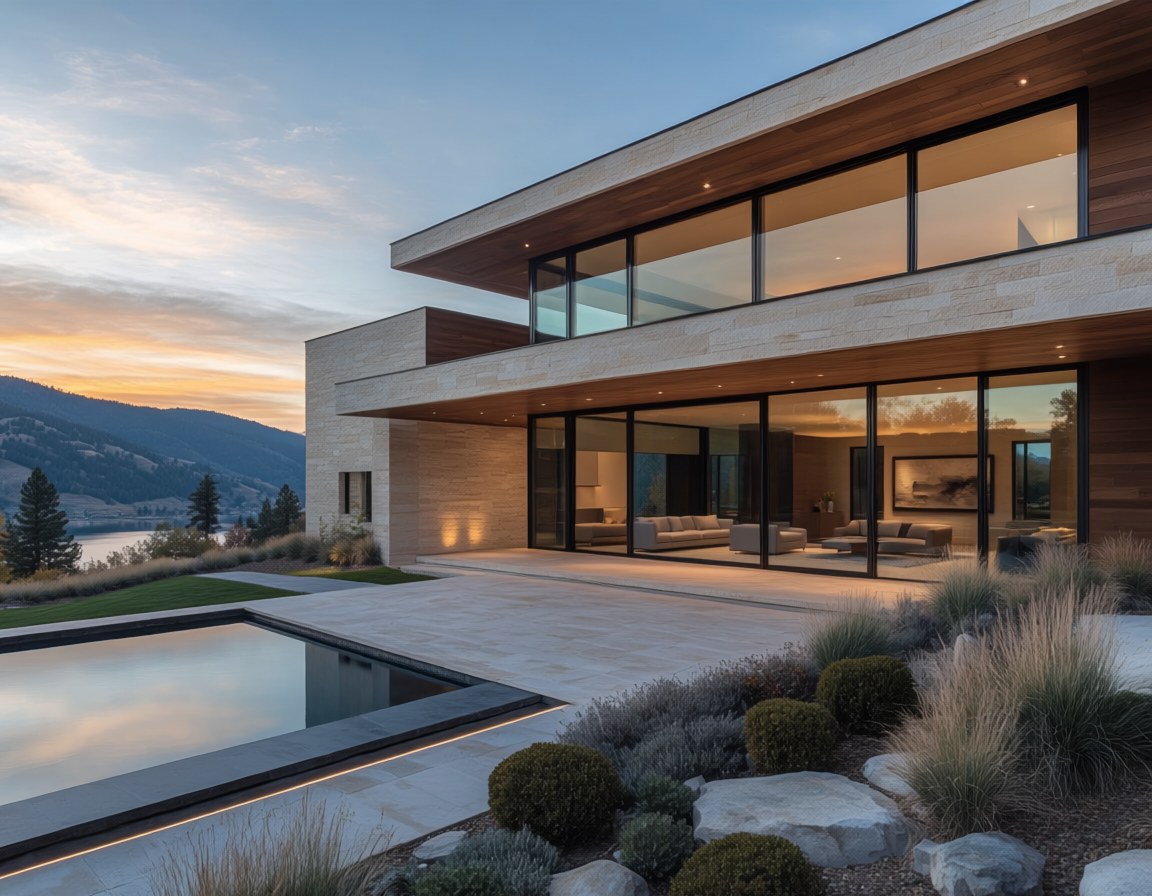
As discussed in related discussions on home exteriors, windows are central to curb appeal, which directly impacts resale. A cohesive facade with thoughtfully chosen window styles can make a home stand out in listings and open houses. Picture a colonial-style house with symmetrical double-hung windows or a contemporary build featuring expansive casements—these elements create visual interest that draws buyers in.
Upgraded windows can modernize an older home, bridging the gap between vintage charm and current trends. Bay or bow windows, for instance, add dimensional flair, making facades more dynamic and increasing perceived square footage. This architectural enhancement not only boosts initial interest but also supports higher appraisals, as evaluators consider aesthetic upgrades in their assessments.
Maintenance plays into this as well; windows that are easy to clean and operate suggest a well-cared-for property. Professional contractors handle the nuances of installation, ensuring alignments are perfect and finishes match existing elements. This attention to detail prevents future issues like sticking sashes or visible gaps, preserving the home’s allure and resale potential over time.
Functionality and Versatility in Daily Living
Windows aren’t just about looks—they enhance how a home functions, which buyers weigh heavily in their decisions. Operable styles like sliders or awnings provide excellent ventilation, promoting indoor air quality and comfort. In kitchens or bathrooms, strategically placed windows can transform utilitarian spaces into highlights, adding to the home’s overall desirability.
Versatility extends to customization options, such as integrated screens or hardware that complements interior decor. Homes with windows that offer privacy features, like frosted glass in key areas, appeal to a broader buyer pool. Functionality also ties into security; impact-resistant windows in storm-prone areas reassure buyers of the home’s resilience.
When contractors lead these projects, they assess the home’s layout to recommend optimal placements and styles. This tailored approach ensures windows maximize natural light without compromising privacy or energy loss, creating spaces that feel both practical and luxurious. Such thoughtful enhancements can elevate a home’s market position, often resulting in quicker sales and stronger offers.
Why Buyers Care About Windows More Than the Numbers Suggest
Raw ROI doesn’t tell the whole story. Windows affect three things buyers evaluate before making an offer:
Inspection risk. Old or failing windows are one of the most common inspection findings. Foggy glass (broken seals), visible rot on wood frames, drafts, and single-pane glass all show up in inspection reports and trigger renegotiation or credits. Replacing windows before listing eliminates this entire category of risk.
Energy costs. In Minnesota, heating costs are a real factor in monthly housing expenses. Buyers increasingly ask about utility bills during showings. Homes with ENERGY STAR-rated windows and double or triple-pane glass give a concrete answer — lower bills, better comfort, no immediate upgrades needed.
First impression. Windows are one of the most visible exterior elements. Dated aluminum frames, mismatched styles, or cloudy glass make a home look neglected even if the interior is updated. New windows with consistent frames and clean sight lines signal a well-maintained property before a buyer walks through the door.
Which Windows Add the Most Resale Value
Not all window upgrades deliver the same return. Here’s what the data and our installation experience points to:
Best ROI: Mid-range vinyl or fiberglass, ENERGY STAR-rated. These hit the sweet spot between cost and perceived value. Buyers recognize the ENERGY STAR label. The frames are low-maintenance. The price point keeps total project cost reasonable, which is what drives ROI percentage. Andersen 100 Series (fiberglass), Simonton Impressions, and Pella 250 Series all fall in this range.
Good ROI: Wood-clad or premium fiberglass. Andersen 400 Series, Pella Lifestyle, and Marvin Elevate offer wood interiors with low-maintenance exteriors. These make sense in homes valued above $400,000 where buyers expect premium finishes. The ROI percentage may be slightly lower because the project cost is higher, but the absolute dollar return is often comparable.
Lower ROI: Ultra-budget or ultra-premium. The cheapest vinyl windows won’t impress buyers or appraisers. On the other end, full custom wood windows from Marvin Ultimate or Windsor Pinnacle are stunning but rarely recoup their premium in typical resale scenarios — they’re a lifestyle choice, not an ROI play.
Best styles for resale: Double-hung windows are the most universally recognized and expected by buyers. Casement windows offer better energy performance (tighter seal when closed) and appeal to buyers who value efficiency. Picture windows in living rooms and great rooms add light and views that photograph well for listings.

Noise Reduction and Indoor Comfort
In bustling neighborhoods or near traffic, windows with sound-dampening properties can significantly boost resale value. Laminated glass or double-glazed units absorb external noise, creating quieter interiors that appeal to buyers seeking tranquility. This feature is particularly valuable in urban or suburban settings, where peace can be a premium.
Improved indoor comfort through better insulation also means consistent temperatures, reducing reliance on HVAC systems. Buyers notice these subtleties during tours, associating them with a higher quality of life. Windows that block UV rays protect furnishings from fading, preserving the home’s interior appeal.
Expert contractors select and install these specialized windows with precision, ensuring acoustic seals are effective and frames are robust. Their involvement guarantees that the upgrades perform as intended, providing tangible benefits that can be highlighted in listing descriptions to attract premium buyers.
Longevity and Low Maintenance Features
Durability is a cornerstone of resale value, and windows built to last convey reliability. Materials resistant to rot, corrosion, or pests—such as composite frames—require minimal upkeep, a selling point for busy buyers. Features like tilt-in sashes simplify cleaning, adding to the home’s user-friendly appeal.
Over time, high-quality windows maintain their performance, avoiding the degradation that plagues cheaper alternatives. This longevity translates to fewer future expenses for new owners, making the property more attractive. Appraisers often factor in these durable elements when determining value, recognizing their contribution to the home’s overall integrity.
Contractors with experience in premium installations ensure warranties are maximized and materials are suited to the local climate. Their craftsmanship prevents common failures, like seal breakdowns, ensuring the windows enhance value for years to come.
Environmental and Health Benefits
Today’s buyers often seek homes that support wellness and sustainability. Windows that maximize natural light reduce the need for artificial lighting, promoting better moods and productivity. Ventilation options help circulate fresh air, improving indoor air quality and reducing allergens.
Eco-friendly manufacturing processes, like those using recycled materials, add another layer of appeal. These health and environmental perks can differentiate a listing, especially among younger buyers who value green features.
Contractors knowledgeable in sustainable practices recommend windows that align with these priorities, ensuring installations minimize environmental impact while maximizing benefits. This expertise turns window upgrades into value-adding investments.
What NOT to Do When Replacing Windows for Resale
This section differentiates your expertise and builds trust.
Don’t replace windows one room at a time. Mismatched window styles and ages are obvious to buyers and appraisers. If you’re upgrading for resale, do the whole house — or at minimum, all front-facing windows — so the exterior looks cohesive.
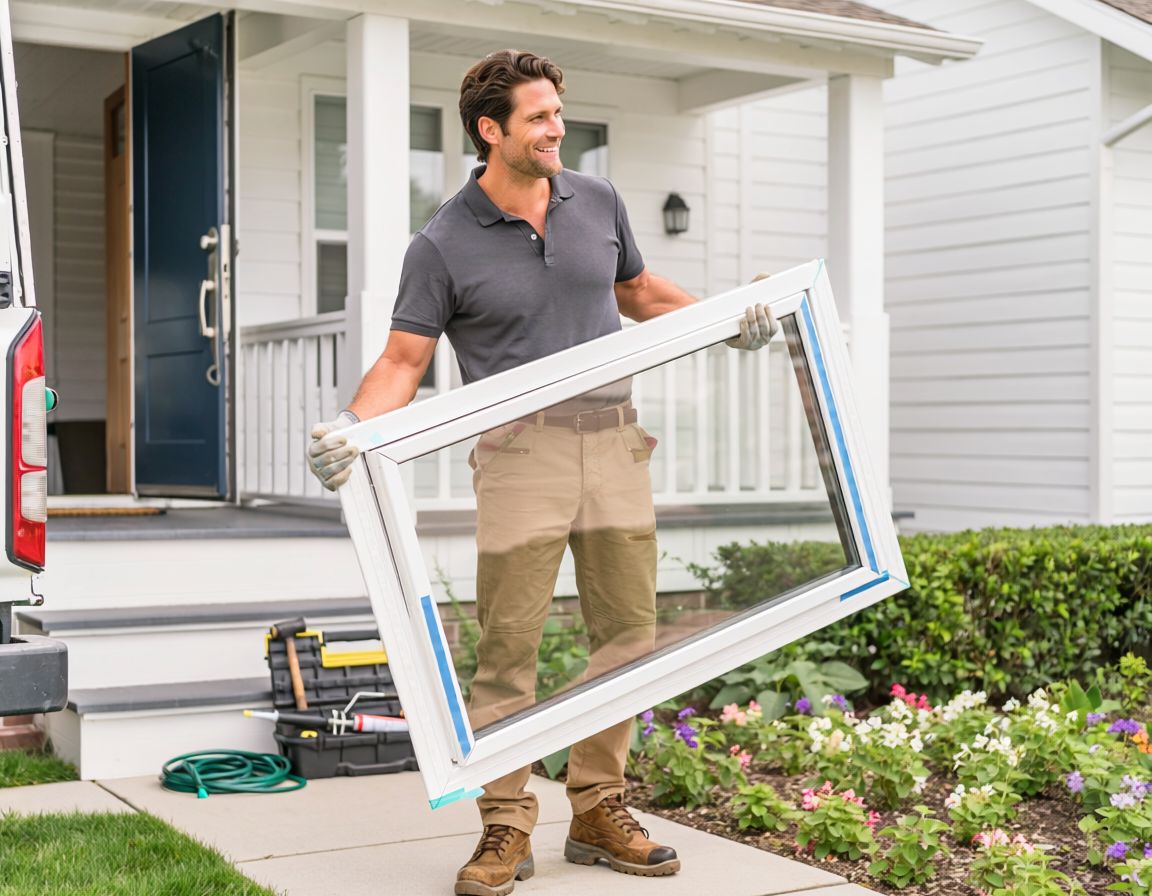
Don’t ignore the installation. The best window in the world performs poorly if it’s installed wrong. Improper flashing, missing insulation around the frame, or poor shimming leads to air leaks, water intrusion, and seal failure. This is where the contractor matters as much as the product.
Don’t over-improve for your neighborhood. If your home is valued at $300,000 in a neighborhood of $250,000-$350,000 homes, full custom wood windows are over-investing. Match the window quality to your home’s price point and your neighborhood. Mid-range Andersen, Pella, or Simonton windows are the right call for most Twin Cities homes.
Don’t skip the trim. New windows with old, peeling, or mismatched exterior trim look half-finished. Budget for trim replacement or wrapping when you replace windows — it’s a small additional cost that dramatically improves the finished appearance.
Minnesota-Specific Factors That Affect Window ROI
This section is your competitive advantage — no national site can write this.
Climate performance matters more here. In a climate that ranges from -20°F in January to 90°F in July, windows are part of the home’s thermal envelope in a way that buyers in mild climates don’t think about. Triple-pane glass, argon or krypton gas fill, and low-E coatings aren’t luxury features in Minnesota — they’re expected on updated homes. Buyers who’ve lived through a Minnesota winter know the difference between a tight, efficient window and a drafty one.
Xcel Energy rebates offset cost. Xcel Energy offers rebates on qualifying energy-efficient windows, which reduces out-of-pocket cost and improves effective ROI. Check current rebate amounts at <a href=”https://www.xcelenergy.com/programs_and_rebates” target=”_blank” rel=”noopener noreferrer”>xcelenergy.com/programs_and_rebates</a>.
Note on tax credits. The federal Section 25C energy efficiency tax credit (up to $600/year for qualifying windows) expired December 31, 2025. Windows installed in 2026 are not currently eligible for this credit. We’ll update this section if new legislation extends or replaces it.
Older Twin Cities homes need full-frame replacement. Many homes in Minneapolis, St Paul, and the inner-ring suburbs still have original wood windows from the 1950s-1970s. These typically need full-frame replacement rather than insert (retrofit) installation because the existing frames have rot, settling, or dimensional issues. Full-frame costs more but produces a better result — new frame, proper insulation around the opening, and correct fit. Insert windows in a deteriorated frame just hide the problem temporarily.
Maximizing Resale Through Strategic Upgrades
To harness windows’ full potential for resale, start with a home assessment to identify opportunities. Consider blending styles for variety—perhaps picture windows for views alongside casements for airflow. Focus on high-impact areas like front-facing rooms to amplify curb appeal.
Regular maintenance keeps windows performing optimally, but for major upgrades, professional input is invaluable. Contractors provide insights on trends, materials, and configurations that yield the best returns, handling everything from design to completion.
Ready to See What New Windows Can Do for Your Home’s Value?
In the Minneapolis-St. Paul greater metropolitan area and throughout Minnesota, Presidential Construction in Maple Grove excels in window projects that enhance resale value. Our dedicated team brings expertise to every installation, ensuring your home stands out in the market.
Call Presidential Construction at (651) 766-3464 or visit our website to schedule yours. We’re based in Maple Grove and serve the entire Minneapolis–St Paul metro area.
Common Questions About Windows and Home Value
Do new windows increase home value?
Yes. According to the Remodeling Cost vs. Value Report, vinyl window replacement recoups 67-72% of its cost at resale. Beyond the direct ROI, new windows eliminate inspection red flags, reduce energy bills, and improve curb appeal — all of which help a home sell faster and at a stronger price.
What type of windows have the best resale value?
Is it worth replacing windows before selling my house?
If your windows are original to a home built before 1990, have foggy glass, visible rot, or noticeable drafts — yes. These are inspection findings that lead to buyer credits or renegotiation. Replacing them proactively puts you in a stronger negotiating position and makes the home show better.
Are triple-pane windows worth the extra cost in Minnesota?
For long-term homeowners, yes. Triple-pane glass provides 20-30% better insulation than double-pane and noticeably reduces cold-weather drafts and condensation. For resale within 2-3 years, the additional cost may not fully recoup, but it won’t hurt — Minnesota buyers recognize and appreciate the upgrade.
How much do replacement windows cost in the Twin Cities?
A full-home window replacement project in the Minneapolis-St Paul metro typically runs $10,000-$25,000 depending on the number of windows, frame material, glass package, and whether you need full-frame or insert installation. We provide free estimates with exact pricing for your home.
Does window replacement increase property taxes?
In most Minnesota jurisdictions, window replacement alone is unlikely to trigger a reassessment. Major renovations that change square footage or add rooms are more likely to affect property taxes than replacing existing windows with new ones.
How long do replacement windows last?
Should I replace all windows at once or just the worst ones?
If budget allows, replace all at once — you’ll get better pricing per unit, a cohesive exterior appearance, and avoid the mismatch issue that buyers notice. If you need to prioritize, start with front-facing windows (curb appeal), then any windows with broken seals, rot, or single-pane glass.