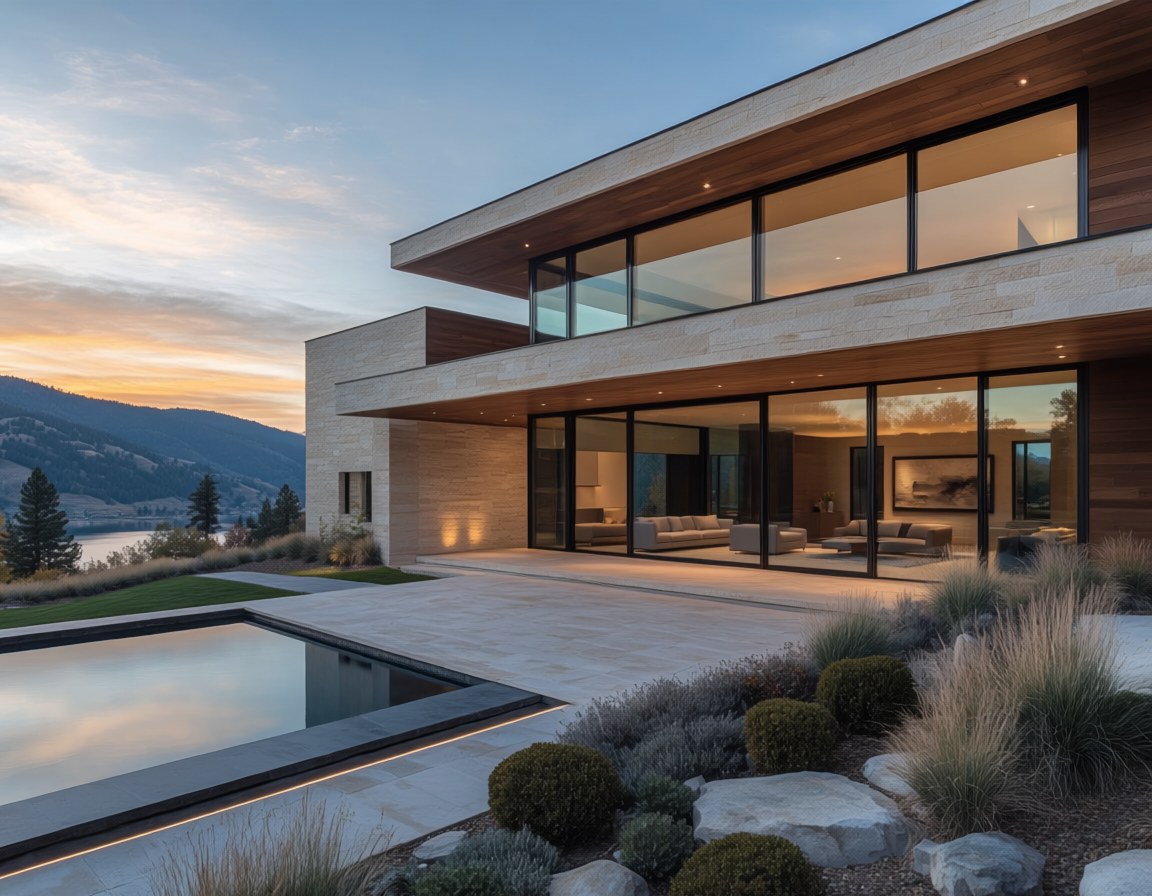
When it comes to home improvement, few decisions carry as much weight—and as much visibility—as choosing the right roof shingle color. Your roof makes up a significant portion of your home’s exterior, and the color you choose can either enhance your home’s curb appeal or clash with its overall look.
Whether you’re installing a new roof or replacing an old one, choosing the right shingle color involves more than just picking your favorite hue. It’s about balance, harmony, energy efficiency, resale value, and yes, even your local climate. In this comprehensive guide, we’ll walk you through all the key considerations to help you select the perfect shingle color for your house.
1. Understand the Role of Shingles in Home Design
Think of your roof as the fifth wall of your house. It’s large, visible, and significantly impacts your home’s style. The color of your shingles can:
- Highlight architectural details
- Create contrast or cohesion with siding and trim
- Affect temperature regulation in your attic
- Influence buyer perception and resale value
So before you get caught up in color swatches, take a moment to look at your house holistically.
2. Match Shingles with Your Home’s Exterior Style and Color
The most important rule of thumb? Your shingles should complement—not compete with—your home’s existing colors and materials.
🏠 Siding Colors
- Light siding (white, beige, light gray): Pairs well with darker shingles like black, dark brown, or charcoal for dramatic contrast.
- Dark siding (navy, forest green, deep red): Consider medium to light shingles—think taupe, weathered wood, or light gray—to keep things from looking too heavy.
- Brick or stone exteriors: Use the natural tones in the masonry to guide your roof color. A multicolored shingle might tie in perfectly.
🏗️ Architectural Style
- Colonial homes: Traditional colors like black, gray, or slate-blue shingles work well.
- Craftsman and Bungalows: Earth-toned shingles like browns, greens, and russet reds suit these warm, woodsy styles.
- Modern homes: Sleek lines call for monochrome, clean colors like dark gray or flat black.
3. Consider Climate and Energy Efficiency
Roof color affects heat absorption. This isn’t just about comfort—it can also influence your energy bills.
🌞 Hot climates:
Go with lighter-colored shingles (white, beige, light gray) to reflect sunlight and keep your attic cooler.
❄️ Cold climates:
Darker shingles absorb heat and help melt snow faster. Charcoal, dark brown, and black are practical and cozy options.
Energy-efficient “cool roof” shingles are also available, which reflect more sunlight regardless of their color. Ask your contractor about ENERGY STAR–rated shingles if efficiency is a priority.
4. Think About Resale Value and Neighborhood Trends
Even if you have bold taste, you might want to pause before going for bright red or turquoise shingles. Neutral colors like black, gray, brown, and tan tend to have broader appeal and better resale potential.
Also, look around your neighborhood:
- Is there a pattern or theme in the roof colors?
- Will your house stand out in a good way—or a bad one?
- Are there HOA rules limiting your options?
A roof that blends too much can look dull, but one that clashes can look garish. Aim for tasteful contrast or complementary harmony.
5. Check Samples in Real Lighting
Shingles can look dramatically different in sunlight, shade, or cloudy weather. Ask your roofing contractor for large samples—or even better, find nearby homes with the colors you’re considering.
Look at the samples in:
- Morning light
- Midday sun
- Late afternoon shade
Don’t rely on small swatches or digital mockups alone. Your roof is a major investment, and you’ll see it every day.
6. Decide Between Solid vs. Variegated Colors
Some shingles are a solid color, while others have a blend of hues.
Solid-colored shingles:
- Sleek, clean, modern look
- Great for simple, symmetrical homes
- Easier to match with other exterior elements
Variegated (multi-tonal) shingles:
- Add texture and dimension
- Work well with stone or brick exteriors
- Can hide dirt and aging better
Variegated shingles can mimic natural materials like slate or wood shake, giving your roof a premium look without the premium cost.
7. Factor in Your Roof’s Pitch and Size
Roofs with a steep pitch or large surface area dominate your home’s appearance. In those cases, the color matters even more.
- Steep-pitched roofs: Lighter or blended colors can prevent the roof from overwhelming the house.
- Flat or low-pitched roofs: Darker colors may be better to create visual interest.
- Small homes: A lighter roof can make the home feel larger and airier.
- Large homes: Darker roofs can add drama and help balance proportions.
8. Work with a Roofing Professional
An experienced roofing contractor can guide you through local options and show you real-life examples. Many manufacturers also offer visualization tools where you can upload a photo of your home and try on different shingles virtually.
Ask about:
- Warranty differences by color
- Availability of specific styles
- Local regulations or historic district rules
9. Popular Shingle Color Combinations to Consider
Here are a few timeless color pairings that work well for many homes:
| Siding Color | Suggested Shingle Colors |
|---|---|
| White | Black, dark gray, slate |
| Beige or tan | Brown, weathered wood, warm gray |
| Light gray | Charcoal, blue-gray, black |
| Red brick | Dark gray, brown, multitone |
| Stone veneer | Blend of grays, browns, greens |
| Olive or sage green | Weathered wood, dark brown |
| Navy blue | Gray, black, architectural blend |
10. Final Thoughts
Choosing the right shingle color is more than a cosmetic decision—it’s a chance to elevate your home’s beauty, performance, and value. Take your time, view samples in real light, and consider how the roof will interact with all the elements of your exterior.
When in doubt, lean toward classic, neutral tones that have stood the test of time. A well-chosen roof not only protects your home but enhances its personality.
✅ Quick Checklist:
- Match shingle color to siding and trim
- Consider climate and energy efficiency
- Review neighborhood trends and resale value
- Test samples in sunlight and shade
- Choose between solid or multi-tonal
- Consult a roofing professional
Need help visualizing your options? Ask your roofer about manufacturer tools like Owens Corning’s Design EyeQ or GAF’s Virtual Home Remodeler. A little planning now can save a lot of regret later.
Would you like this post tailored for a specific roofing company or turned into an SEO-optimized article for your blog? I can help with that too!