In the quest for a comfortable home environment, windows play a pivotal role that often goes underappreciated. They act as barriers between your indoor sanctuary and the outdoor elements, influencing everything from temperature stability to energy consumption. Whether you’re battling harsh winters or sweltering summers, the right windows can significantly reduce the strain on your heating and cooling systems, leading to a more balanced, efficient living space. Understanding this impact empowers homeowners to make upgrades that enhance daily comfort while aligning with long-term sustainability goals.
This in-depth exploration delves into how windows affect home heating and cooling. We’ll cover key factors like insulation properties, material choices, and design features, backed by practical insights from home performance studies and real-world applications. By grasping these dynamics, you can identify opportunities for improvement in your own home. And as we’ll discuss, enlisting expert contractors for assessments and installations ensures these enhancements deliver optimal results, safeguarding your comfort through every season.
The Fundamentals of Windows and Thermal Performance
At their core, windows are potential weak points in a home’s thermal envelope—the invisible shield that keeps conditioned air inside and outdoor extremes out. Poorly performing windows can lead to drafts, heat loss, or unwanted solar gain, forcing HVAC systems to work overtime. Conversely, well-designed windows minimize these issues, promoting even temperatures and reducing energy demands.
Heat transfer occurs through conduction (direct material contact), convection (air movement), and radiation (sunlight penetration). Windows mitigate these via multiple layers: glass panes, frames, and seals. For instance, single-pane windows offer minimal resistance, allowing heat to escape rapidly in cold weather or enter during hot spells. Upgrading to multi-pane configurations dramatically improves insulation, trapping air or gases between layers to slow transfer.
Homeowners in variable climates notice the difference immediately—rooms stay warmer without constant thermostat adjustments. Contractors evaluate your home’s orientation, shading, and existing systems to recommend windows that address specific thermal challenges, ensuring a tailored approach that maximizes efficiency without overcomplicating your setup.
Energy-Efficient Glazing: The Heart of Temperature Control
Glazing—the glass component of windows—is where much of the heating and cooling magic happens. Modern advancements like low-emissivity (low-E) coatings reflect infrared light, keeping heat inside during winter and outside in summer. This technology can reduce energy loss by up to 50% compared to uncoated glass, directly easing the load on furnaces and air conditioners.
Tinted or spectrally selective glazings further refine control by blocking UV rays that cause fading and excess heat buildup. In sun-drenched areas, these prevent “hot spots” near windows, maintaining consistent cooling. For northern exposures, clear glazings maximize passive solar gain, naturally warming interiors on sunny days.
Gas fills, such as argon or krypton between panes, enhance insulation by being denser than air, slowing convection. Triple-pane options take this further, ideal for extreme weather where double-panes fall short. When contractors install these, they ensure precise spacing and seals to prevent gas leakage, preserving performance over decades. This professional precision turns windows into active contributors to your home’s climate control, rather than passive vulnerabilities.
Frame Materials: Balancing Durability and Insulation
The frame surrounding the glass is equally crucial for heating and cooling impacts. Materials vary in thermal conductivity, affecting how much heat or cold transfers through them. Wood frames, with natural insulating properties, resist temperature swings but require maintenance to avoid warping in humid conditions. They’re excellent for traditional homes, providing a warm barrier that complements efficient glazing.
Vinyl frames offer affordability and low conductivity, making them a popular choice for consistent performance without thermal bridging—where cold spots form due to material differences. Fiberglass, stronger and more stable, excels in expansive windows, maintaining tight fits that block air infiltration. Aluminum, while conductive, can be enhanced with thermal breaks—insulating inserts that disrupt heat flow.
Choosing the right frame involves considering your home’s exposure and style. Contractors assess factors like expansion rates to prevent gaps that lead to drafts, ensuring frames integrate seamlessly with walls for airtight results. This holistic selection process optimizes your windows’ role in regulating indoor climates, reducing reliance on mechanical systems.
Window Styles and Their Role in Airflow Management
As explored in comparisons like awning versus casement or sliding versus double-hung windows, style influences not just aesthetics but also ventilation, which ties directly to heating and cooling. Operable windows allow strategic airflow to cool homes naturally, lessening air conditioning needs. For example, casement windows swing fully open, capturing breezes efficiently for rapid cooling on mild days.
Double-hung designs facilitate stack ventilation—warm air exits through top sashes while cooler air enters below—ideal for multi-level homes. Sliding windows provide wide openings for cross-breezes in open layouts. Even fixed styles, like picture windows discussed in view-enhancing contexts, contribute by allowing passive solar heating when oriented south, warming spaces without active systems.
In basements, hopper windows from replacement guides offer controlled intake, expelling damp air to prevent cooling inefficiencies from humidity. Contractors configure these styles to align with your HVAC setup, incorporating features like integrated vents for balanced pressure. This thoughtful integration turns windows into allies for natural temperature regulation, enhancing overall system efficiency.
Seals, Weatherstripping, and Installation Quality
Even the best windows underperform without superior seals and weatherstripping. These components prevent air leaks, which account for significant energy waste—up to 30% in some homes. Compression seals in casements or magnetic ones in modern designs create barriers against infiltration, maintaining stable indoors regardless of outdoor fluctuations.
Installation quality amplifies this: improper fitting leads to gaps that invite drafts, undermining insulation. Contractors use specialized techniques, like foam insulation around frames and flashing for moisture diversion, to achieve airtight envelopes. They also account for building settling, selecting flexible materials that adapt without compromising seals.
Regular inspections by professionals catch wear early, preserving efficiency. This proactive maintenance ensures windows continue to support heating and cooling, avoiding spikes in utility demands from overlooked issues.
Solar Heat Gain and Shading Strategies
Windows’ interaction with sunlight directly affects cooling loads. The solar heat gain coefficient (SHGC) measures how much solar radiation passes through—lower values block more heat, beneficial in hot climates, while higher ones aid winter heating. Balancing this with visible transmittance (VT) ensures ample light without excess warmth.
External shading, like overhangs or awnings, complements windows by reducing direct sun exposure during peak hours. Internal options, such as blinds integrated into window units, offer on-demand control. Contractors design these synergies, perhaps recommending smart shades that automate based on time or temperature, optimizing for seasonal shifts.
In curb appeal discussions, these features add visual interest while functionally managing heat, creating homes that are beautiful and efficient. Professional input ensures shading doesn’t obstruct views, as in picture window installations, maintaining the balance between light, comfort, and energy savings.
Impact on HVAC System Longevity and Home Comfort
Efficient windows lighten the workload on heating and cooling systems, extending their lifespan by reducing runtime. Fewer cycles mean less wear, translating to reliable performance over years. This also promotes even temperatures room-to-room, eliminating cold drafts or hot zones that disrupt comfort.
Humidity control improves too—sealed windows prevent moist air entry, aiding dehumidifiers or AC units in maintaining ideal levels. In resale value contexts, these efficiencies appeal to buyers seeking low-maintenance homes, as energy audits highlight the benefits.
Contractors simulate performance with tools like energy modeling software, predicting savings and comfort gains before installation. This data-driven approach confirms windows’ positive impact, guiding upgrades that align with your lifestyle.
Environmental and Health Considerations
Beyond mechanics, windows influence indoor air quality, which ties to heating and cooling health. Proper ventilation flushes pollutants, while efficient designs reduce mold risks from condensation. UV-blocking glazings protect against skin-damaging rays, enhancing wellness.
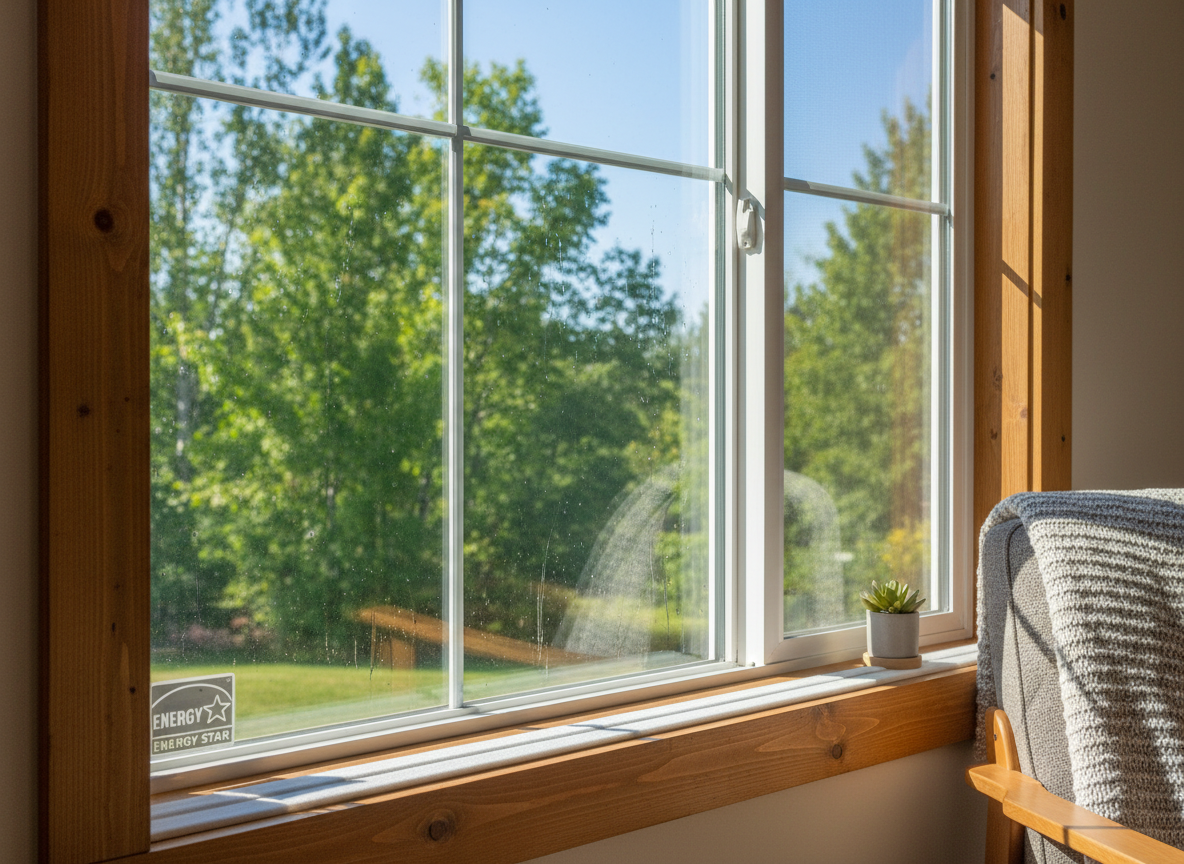
Sustainably sourced materials and recyclable frames support eco-friendly living, aligning with green building trends. Contractors prioritize these aspects, selecting products with certifications like ENERGY STAR, ensuring your upgrades contribute positively to both home and planet.
Navigating Upgrades for Optimal Heating and Cooling
Assessing your current windows—checking for fogging, drafts, or inefficiency—signals upgrade time. Prioritize high-traffic areas or those with extreme exposure. Mixing styles, like hoppers in basements with casements upstairs, creates comprehensive coverage.
Professional contractors streamline this, from audits to custom solutions, handling complexities like historic preservations or modern integrations. Their expertise avoids common pitfalls, delivering windows that truly transform your home’s thermal dynamics.
In the Minneapolis-St. Paul greater metropolitan area and throughout Minnesota, Presidential Construction in Maple Grove specializes in window projects that optimize heating and cooling. Our team brings innovative solutions and meticulous craftsmanship to every installation. Call us at (651) 766-3464 to explore how we can enhance your home’s efficiency—let’s create a more comfortable space together. Contact us if you want to learn more.

Visit ENERGY STAR’s website
ENERGY STAR is a program run by the U.S. Environmental Protection Agency that certifies products meeting strict energy efficiency guidelines. Windows that earn the ENERGY STAR label are independently tested and verified to reduce energy loss, helping homeowners in cold climates like Minnesota cut heating costs significantly.