Your roof is the steadfast sentinel of your home, enduring everything from blistering summer heat to unforgiving winter storms. But like any guardian, it has its limits, and recognizing when it’s time for a replacement is crucial to maintaining your property’s safety, efficiency, and appeal. In 2026, with roofing materials advancing to include smarter, more resilient options like impact-enhanced shingles and integrated monitoring systems, spotting the signs early allows you to upgrade proactively. Ignoring these indicators can lead to escalating issues, from hidden leaks that compromise interiors to structural strains that demand urgent attention. This guide delves into the key warning signs that signal a roof replacement is on the horizon, drawing from real-world observations and industry insights. We’ll also touch on cost considerations to help you plan ahead. Throughout, we’ll highlight how enlisting experienced contractors brings clarity and precision to this process, ensuring an accurate diagnosis and a seamless transition to a roof that’s built to last.
By partnering with professionals who use tools like drone inspections and thermal imaging, you gain a thorough evaluation that uncovers subtle problems before they worsen. Their expertise not only confirms the need for replacement but guides material selections that align with 2026’s innovations, turning a necessary update into a value-adding enhancement for your home.
The Role of Your Roof and Why Timely Replacement Matters
Before exploring the signs, consider your roof’s multifaceted role. It shields against weather, regulates indoor temperatures, and contributes to your home’s aesthetic harmony. Over time, exposure to elements like UV rays, wind, and moisture erodes its defenses, leading to failures that affect everything from energy bills to interior comfort. In 2026, as climate patterns intensify, roofs face greater tests—making early detection vital.
Replacement isn’t just reactive; it’s an opportunity to incorporate modern features, like shingles with self-healing sealants or reflective coatings that boost efficiency. Contractors are invaluable here, conducting comprehensive assessments that factor in your home’s age, design, and local conditions. Their insights ensure you address issues holistically, avoiding patchwork fixes that fall short. By involving pros early, you invest in a roof that not only resolves current concerns but anticipates future demands, enhancing your home’s resilience and charm.
Key Signs Indicating It’s Time for a Roof Replacement
Roofs whisper warnings before they roar—paying attention can save you from major headaches. Here are ten critical signs, compiled from common patterns observed in homes across varied climates. If multiple apply, a professional inspection is essential to confirm the extent.
- Curled or Cupped Shingle Edges: Shingles that curl upward or form cups signal heat and moisture damage, compromising their ability to lie flat and protect. This is often the first visible cue of aging, especially in asphalt roofs nearing 20 years.
- Bald Spots and Granule Loss: Granules protect shingles from UV rays; when they wash away into gutters, it exposes the asphalt to faster deterioration. Heavy granule buildup after storms or cleaning is a red flag for widespread wear.
- Cracked or Broken Shingles: Cracks from hail, wind, or thermal expansion indicate structural vulnerability. Even isolated breaks can allow water entry, leading to rot if not addressed promptly.
- Missing Shingles: Gaps from storm damage or poor adhesion expose underlayment to elements, inviting leaks. If more than a few are gone, patching may not suffice.
- Algae, Moss, or Mold Growth: Dark streaks or green patches suggest trapped moisture, which erodes shingles over time. While treatable, persistent growth hints at ventilation issues requiring systemic fixes.
- Sagging or Uneven Rooflines: Dips or waves point to decking rot or truss problems from long-term water intrusion. This structural red flag demands immediate professional evaluation.
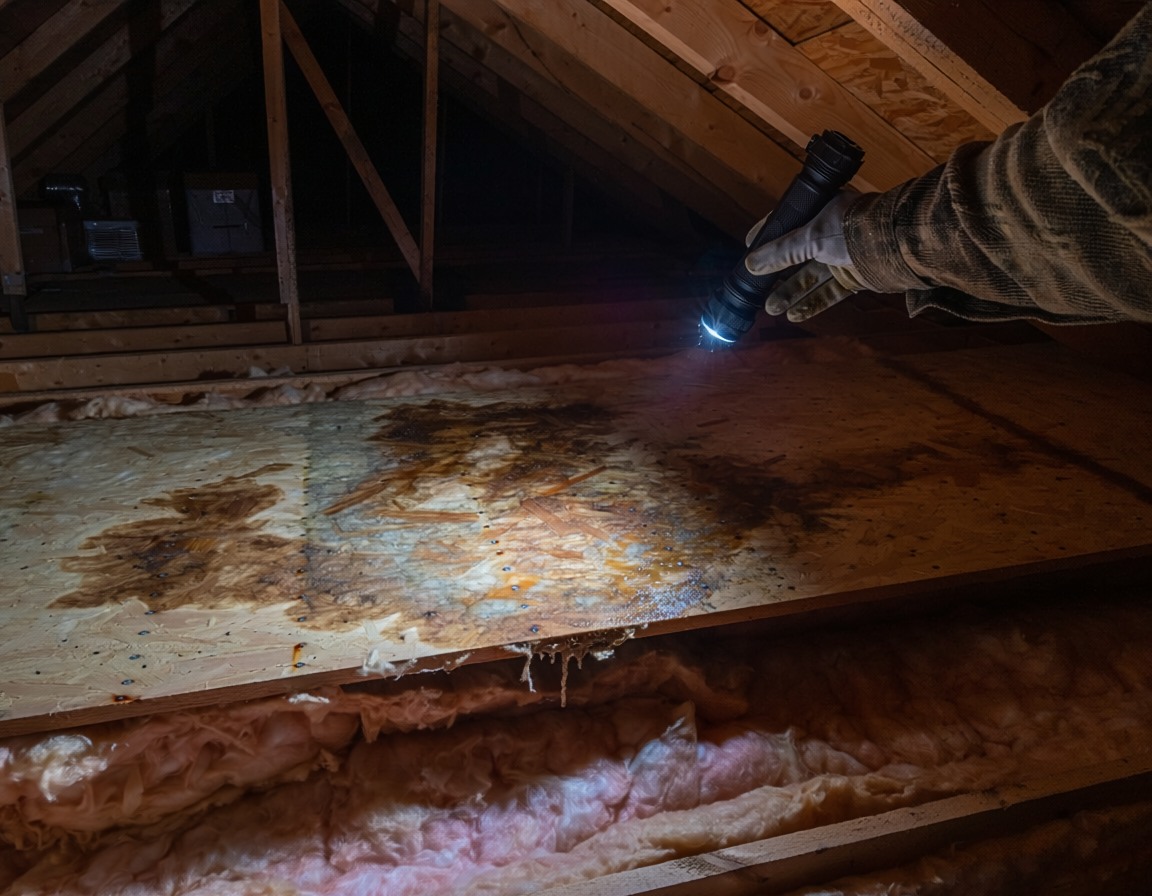
- Interior Water Stains or Leaks: Ceiling spots or damp walls trace back to roof failures. Even minor leaks can cause extensive hidden damage, signaling the need for a full overhaul.
- Aging Beyond Expected Lifespan: If your roof is 20+ years old (for asphalt) or showing widespread fatigue, proactive replacement prevents emergencies. Materials degrade even without obvious damage.
- Damaged Flashing Around Vents or Chimneys: Rusted or loose flashing allows water entry at critical junctions. This often accompanies broader roof decline.
- Higher Energy Bills or Drafts: A failing roof loses insulation value, forcing HVAC systems to work harder. If bills spike without explanation, it could indicate compromised integrity.
These signs often interconnect—a curled shingle might lead to leaks, then sagging. Contractors use advanced diagnostics to trace causes, recommending replacements when patches won’t provide lasting solutions. Their involvement ensures you address the root, integrating upgrades like better ventilation that prevent recurrence.

Weighing the Benefits of Roof Replacement
Recognizing signs is the first step; understanding replacement’s advantages motivates action. A new roof eliminates vulnerabilities, incorporating 2026 innovations like algae-resistant granules or wind-rated reinforcements for superior performance.
Energy savings are a highlight—modern materials with reflective properties reduce heat gain, complementing window efficiencies for consistent comfort. Aesthetically, replacements refresh your home’s profile, harmonizing with siding trends for boosted curb appeal.
Longevity is key; quality installations by contractors extend life spans, with warranties providing assurance. They handle complexities like integrating with existing structures, ensuring seamless fits that enhance overall home health.
Replacement also future-proofs against intensifying weather, with pros selecting materials suited to your locale. Their craftsmanship turns signs of wear into opportunities for improvement, delivering a roof that’s resilient and refined.
Cost Considerations for Roof Replacement in 2026
While focusing on value over specifics, it’s useful to note general ranges influenced by material, size, and complexity. For asphalt shingle roofs, minimum costs start around 7000, with per-square-foot ranges from 6.50 to 9.00 for steeper, more complex designs.
For EPDM flat roofs, minimums begin at 5000, ranging from 22.00 to 30.00 per square foot.
These figures reflect broad estimates, varying by factors like labor expertise and material quality. Contractors provide tailored assessments, emphasizing how investments in durable options yield long-term benefits through reduced maintenance and enhanced efficiency. Their guidance ensures you select solutions that align with your home’s needs, maximizing the return on your upgrade.
Making the Decision: Patch or Replace?
Faced with signs, weigh patching against replacement. Patches suit isolated damage on younger roofs, but multiple or severe indicators favor full overhauls for comprehensive coverage.
Contractors offer objective advice through inspections, using tools like moisture scans to reveal hidden extents. Their recommendations prioritize your home’s longevity, often advocating replacements that incorporate 2026 advancements for superior protection.

Preparing for Your Roof Replacement
Once decided, preparation streamlines the process. Clear access areas, protect landscaping, and discuss timelines with your contractor. They handle permits, material sourcing, and safety, ensuring minimal disruption.
During work, pros manage debris and weather contingencies, delivering clean, efficient results. Post-install, they provide maintenance tips to sustain your new roof’s performance.
Their comprehensive approach makes replacement rewarding, fortifying your home against future challenges.
If you’re in the Minneapolis-St. Paul greater metropolitan area or throughout Minnesota, Presidential Construction in Maple Grove is equipped to assess your roof’s signs and guide your replacement. Our team specializes in innovative solutions that prioritize durability and craftsmanship. Reach out at (651) 766-3464 or contact us to discuss your needs—let’s secure your home with a roof that’s ready for tomorrow.