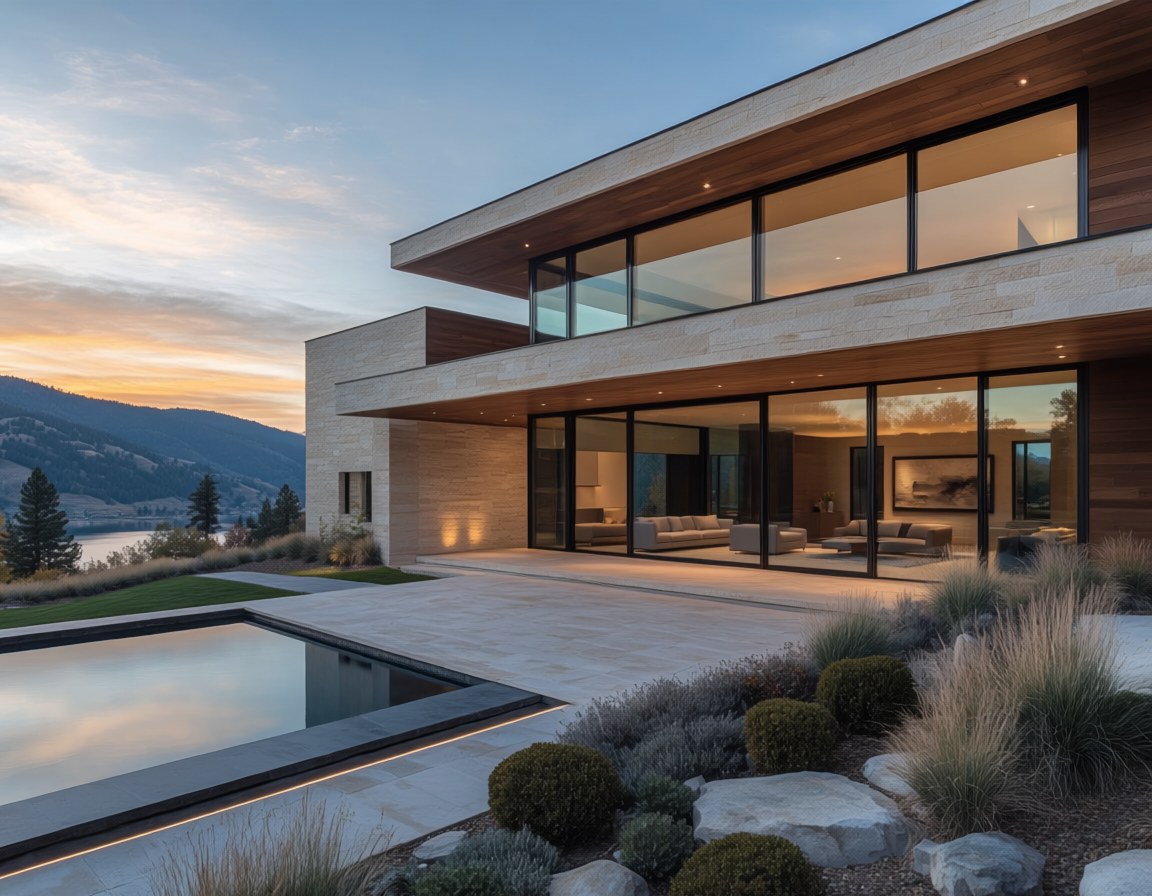
In the realm of home improvements, few elements offer as much transformative potential as windows. They serve as the eyes of your home, influencing everything from natural light and ventilation to energy efficiency and architectural style. When deciding between sliding windows and double-hung windows, homeowners often find themselves weighing factors like ease of use, aesthetic fit, and long-term performance. Both styles have stood the test of time, gracing homes across various designs, but the best choice depends on your specific needs, home layout, and lifestyle preferences.
Drawing from architectural principles and real homeowner feedback, we’ll explore how each style performs in daily life and enhances your living space. Whether you’re tackling a full remodel or a targeted upgrade, understanding these options empowers you to make a decision that elevates your home.
Understanding Sliding Windows
Sliding windows, also known as gliders, feature sashes that move horizontally along tracks, allowing for smooth, side-to-side operation. Typically consisting of two or more panels—one fixed and one or more operable—they’re a staple in contemporary and mid-century modern homes. Their design emphasizes wide, unobstructed views, making them ideal for patios, kitchens, or any area where you want to blur the lines between indoors and outdoors.
These windows operate with minimal effort, often requiring just a gentle push to open or close. Homeowners in warmer climates or those with expansive wall spaces appreciate their ability to create large openings without protruding into living areas. Sliding windows can be customized with various frame materials, from sleek aluminum for a modern edge to warm wood for a natural feel, and they integrate well with screens for bug-free ventilation.
Pros of Sliding Windows
One of the primary appeals of sliding windows is their effortless functionality. The horizontal glide requires no cranking or lifting, making them accessible for all ages and abilities. This user-friendly design shines in high-traffic areas like family rooms or home offices, where quick adjustments to airflow are appreciated.
Ventilation is another strong suit—when fully open, sliders provide a broad pathway for breezes, promoting excellent cross-ventilation in rectangular rooms. Their large glass surfaces flood interiors with light, creating brighter, more inviting spaces that feel connected to the exterior. From an aesthetic standpoint, sliders offer a clean, minimalist profile that complements modern architectures, enhancing curb appeal with horizontal lines that ground the facade.
Energy efficiency comes into play with advanced features like insulated glass and weather-tight seals, which help maintain indoor comfort. They’re particularly effective in homes with wide openings, where traditional windows might struggle to fit. Contractors often highlight their low-maintenance tracks, which, when installed properly, resist dirt buildup and ensure smooth operation over time. This style also allows for easy integration with smart home systems, like automated shades, adding a layer of convenience.
In terms of space efficiency, sliders don’t swing inward or outward, preserving interior floor space and exterior walkways. This makes them a smart choice for compact homes or additions where every inch counts. Professional installation by skilled teams ensures the tracks align perfectly, preventing jams and extending the window’s lifespan.
Cons of Sliding Windows
While versatile, sliding windows aren’t without drawbacks. Their horizontal operation can limit ventilation in narrower openings, as only half the window typically opens. In very tall installations, reaching the top for cleaning might require tools or ladders, though tilt-in options on some models address this.
Track maintenance is key; without regular cleaning, debris can accumulate, affecting glide smoothness. In regions with heavy pollen or dust, this might necessitate more frequent upkeep. Security-wise, while modern sliders feature robust locks, older models could be vulnerable if not upgraded. Contractors mitigate these issues by recommending reinforced frames and multi-point locking systems during installation.
Another consideration is their fit in traditional home styles—sliders’ modern vibe might clash with Victorian or colonial aesthetics unless customized thoughtfully. In extreme weather, ensuring seals are impeccable is crucial to avoid drafts, underscoring the importance of expert fitting.
Understanding Double-Hung Windows
Double-hung windows boast two vertically sliding sashes, both operable, allowing you to open from the top, bottom, or both. This classic design has roots in historical architecture, making it a favorite for colonial, Cape Cod, and farmhouse-style homes. The sashes tilt inward on many models, simplifying cleaning from inside without exterior access.
Their balanced proportions create symmetry, a hallmark of traditional exteriors. Double-hung windows are highly customizable, with options for grille patterns that evoke period charm or grille-free for a sleeker look. They’re suitable for most room types, from bedrooms to entryways, and their vertical operation aligns with natural convection currents for efficient air circulation.

Pros of Double-Hung Windows
Double-hung windows excel in versatility, offering multiple ventilation modes. Opening the top sash draws out warm air while the bottom lets in cooler breezes, ideal for multi-story homes where heat rises. This promotes better airflow control, especially in bedrooms for a restful night’s sleep.
Aesthetically, they provide timeless elegance, enhancing curb appeal with symmetrical grids that add character. Their ability to tilt in for cleaning is a major plus, reducing the need for ladders and making maintenance straightforward. Energy-wise, double-hung windows with low-E glass and insulated frames perform admirably, sealing tightly to minimize heat transfer.
Security features, like sash locks and reinforced meeting rails, offer peace of mind. They’re adaptable to various climates, with options for impact-resistant glass in storm-prone areas. Contractors appreciate their compatibility with historical restorations, where preserving authenticity is key. Professional installation ensures the counterbalance systems work flawlessly, preventing sashes from sticking or dropping.
In terms of resale value, as noted in discussions on window impacts, double-hung styles signal classic quality, appealing to buyers who value tradition blended with modern efficiency. Their widespread use means parts and repairs are readily available, adding to long-term reliability.
Cons of Double-Hung Windows
On the flip side, double-hung windows require more effort to operate, as lifting heavier sashes can be challenging for some. In larger sizes, this might necessitate assistance mechanisms like springs or weights, which could wear over time if not maintained.
Ventilation is effective but limited to half the window height, potentially less than sliders in wide setups. Their traditional look might feel dated in ultra-modern homes, requiring creative adaptations. In humid environments, condensation between sashes could occur if seals degrade, though high-quality installations prevent this.
Space-wise, they work well in most scenarios but don’t offer the panoramic views of sliders in horizontal orientations. Expert contractors address these by selecting appropriate sizes and materials, ensuring the windows enhance rather than hinder your home’s flow.
| Feature | Sliding Windows | Double Hung Windows |
|---|---|---|
| Operation | Horizontal — slides left/right on a track | Vertical — both sashes move up/down |
| Best Opening Shape | Wider than tall | Taller than wide |
| Ease of Use | Very easy — gentle push, no lifting | Requires lifting — harder for some users |
| Ventilation | Half the window opens — good cross breeze | Top and bottom can open independently — better airflow control |
| Cleaning | Track cleaning required — exterior harder to reach on upper floors | Tilt-in sashes — both sides cleanable from inside |
| Energy Efficiency | Fewer moving parts — slightly tighter horizontal seal | More moving parts — more potential air leakage points |
| Security | Standard locks — harder to childproof | Can lock lower sash and open upper — better child safety |
| Best Home Styles | Contemporary, ranch, mid-century modern | Colonial, Cape Cod, Craftsman, farmhouse, Victorian |
| Moving Parts | Fewer — less mechanical wear over time | More — balance springs and dual sashes may need maintenance |
| Cost | Generally lower — simpler mechanism | Generally higher — more components and complexity |
| Best Rooms | Kitchens (over counters), basements, living rooms, offices | Bedrooms, hallways, bathrooms, traditional facades |
| Views | Wider unobstructed glass — more panoramic | Narrower — divided by meeting rail |
Head-to-Head Comparison: Sliding vs. Double-Hung Windows
Choosing between sliding and double-hung windows hinges on your priorities. For ease of use and modern aesthetics, sliders take the lead, especially in contemporary homes or rooms needing wide ventilation. Their horizontal operation suits lower placements, like over counters, and provides larger unobstructed glass for views.
Double-hung windows, however, shine in traditional settings, offering superior airflow control and easier cleaning. They’re better for vertical emphasis, drawing eyes upward and fitting narrower openings seamlessly. In terms of energy efficiency, both can be top performers, but double-hung’s dual-sash design often allows for better top-down ventilation in varied weather.
Consider your home’s architecture: sliders modernize ranches or Mediterraneans, while double-hungs preserve the charm of classics. For curb appeal, sliders create bold horizontal lines, and double-hungs add symmetrical grace. Resale-wise, both boost value when installed well, signaling thoughtful upgrades.
Maintenance overlaps—both benefit from regular track or sash cleaning—but double-hungs might edge out with tilt features. In mixed-use scenarios, combining styles (e.g., sliders in living areas, double-hungs in bedrooms) creates a balanced whole. Contractors can model these options, ensuring harmony with your home’s structure and climate needs.
Which Works Better in Minnesota Homes?
Both styles perform well in our climate when installed with the right glass package — low-E coatings, argon or krypton gas fill, and properly insulated frames. The style choice comes down to your home and your rooms, not the weather.
That said, there are practical considerations for Minnesota homeowners:
Double hung windows are the dominant style in the Twin Cities because most of the residential housing stock is traditional — Colonial, Craftsman, Cape Cod, and farmhouse styles that look right with vertical window proportions. If your home already has double hung windows and you’re replacing them, staying with the same style maintains architectural consistency and avoids reframing.
Sliding windows make more sense in specific situations — above kitchen sinks where reaching up to lift a sash is awkward, in walkout basements where wider openings bring in more light, and in living rooms or family rooms where you want a panoramic view. We install sliders regularly in newer ranch-style homes and contemporary builds across Woodbury, Minnetonka, and the suburbs where wider proportions suit the architecture.
For bedrooms with young children, double hung has a real safety advantage — you can lock the lower sash and open only the top for ventilation. That’s not possible with a slider.
One thing we recommend regardless of style: tilt-in sashes on double hung windows are worth the marginal cost increase. Cleaning exterior glass from inside the house matters when it’s January and nobody is going outside with a squeegee.
Enhancing Curb Appeal and Resale with the Right Choice
As explored in prior topics like window styles for curb appeal and their resale influence, both sliding and double-hung windows can dramatically uplift your home’s exterior and market worth. Sliders add a sleek, expansive feel that modern buyers crave, while double-hungs evoke enduring appeal that resonates in established neighborhoods.
These upgrades improve light, comfort, and efficiency, making your home more desirable. Professional contractors ensure the selection aligns with your facade, avoiding mismatches that could detract from value.
What We Install
We work with Andersen, Pella, Marvin, Simonton, and Windsor — all five manufacturers offer both sliding and double hung configurations in vinyl, wood, composite, and aluminum-clad frames. The brands we recommend depend on your frame material preference, budget, and specific performance needs.
For most Twin Cities homes, here’s our general guidance:
Use double hung in: Bedrooms, bathrooms, hallways, front-facing facades on traditional homes, any opening that’s taller than it is wide, and children’s rooms where you want upper-only ventilation.
Use sliders in: Kitchens (especially over sinks and counters), basement egress openings, living rooms where you want maximum glass and light, and any opening that’s wider than it is tall.
Mix both styles on the same house when it makes sense. Many homes benefit from double hung on the front facade for curb appeal and sliders in the back or side where function matters more than appearance. This is a completely normal approach and we do it regularly.
Deciding What’s Best for Your Home
Reflect on your daily routines: do you prioritize effortless operation and views (sliders) or versatile ventilation and tradition (double-hungs)? Assess room layouts, climate, and style for the optimal match. Testing samples or visualizing digitally aids the process.
For peak performance, enlist contractors who handle everything from selection to installation, guaranteeing durability and compliance. This partnership transforms a choice into a seamless enhancement. Collaborating with experienced contractors ensures your selection is installed flawlessly, maximizing benefits for years to come.
If you’re in the Minneapolis-St. Paul greater metropolitan area or throughout Minnesota, Presidential Construction in Maple Grove is here to guide your window decisions. Our experts specialize in sliding and double-hung installations that blend form and function. Call us at (651) 766-3464 to start your project—let’s create a home you’ll love.
Common Questions About Sliding and Double Hung Windows
Are sliding windows cheaper than double hung?
Generally yes. Sliders have fewer moving parts and a simpler mechanism, which keeps both material and installation costs lower. The difference is typically $50-$150 per window depending on size and manufacturer. On a full-home project that adds up, but the price gap shouldn’t be the deciding factor — the right style for the right opening matters more than saving a few dollars per unit.
Which style is more energy efficient?
They’re very close. Sliding windows have a slight edge because fewer moving parts mean fewer potential air leakage points. Double hung windows have two operable sashes with meeting rails, balance springs, and more weatherstripping that can degrade over time. That said, both styles achieve excellent energy ratings when built with low-E glass, gas fills, and insulated frames. The glass package matters far more than the operating style.
Can I put a sliding window where I currently have a double hung?
Yes, but it usually requires reframing the opening since sliders are typically wider than they are tall and double hung openings are the opposite. If you’re changing the shape of the opening, it affects the exterior appearance and may require siding and trim modifications. We assess this during the estimate and tell you whether the switch makes practical and aesthetic sense for your specific home.
Which is easier to clean?
Double hung — and it’s not close. Most modern double hung windows have tilt-in sashes that let you clean both the interior and exterior glass surfaces from inside the house. Sliders require you to clean the exterior from outside, which means ladders on upper floors. In Minnesota where outdoor window cleaning is impractical for five months of the year, tilt-in sashes on double hung windows are a meaningful convenience.
Are sliding windows less secure than double hung?
Not inherently, but double hung has a practical security advantage for families with children. You can lock the lower sash of a double hung window and open only the top for ventilation — keeping kids safe from open windows on upper floors. Sliders open from the side and don’t offer that same option. Modern sliders have solid multi-point locking systems, but the child-safety angle gives double hung the edge for bedrooms and upper-story rooms.
Which style lasts longer?
Both last 20-30+ years with proper installation and maintenance. Sliders have fewer moving parts, which theoretically means less mechanical wear over time. Double hung windows have balance springs, dual sash tracks, and tilt mechanisms that may need attention as the window ages. In practice, the quality of the window and the quality of the installation matter far more than the style when it comes to longevity.
Can I mix sliding and double hung on the same house?
Absolutely. We do this on a regular basis. Double hung on the front and sides for curb appeal, sliders in the kitchen, basement, or back of the house where wider openings and easier operation make more sense. The key is matching frame color and manufacturer so everything looks cohesive from the outside. We help plan mixed-style layouts during the estimate.
Which brands make both styles?
All five brands we install — Andersen, Pella, Marvin, Simonton, and Windsor — offer both sliding and double hung windows in multiple frame materials and glass configurations. We help you choose the right brand and product line based on your budget, frame preference, and the specific performance characteristics that matter most for your home.