In the world of home exteriors, durability isn’t just a buzzword—it’s the foundation of a structure that withstands the test of time, weather, and daily wear. Homeowners seeking long-lasting protection for their properties often turn to composite siding, a modern material engineered to deliver superior resilience without sacrificing style. Made from a blend of wood fibers, resins, and other robust components, composite siding mimics the warmth of natural wood while outperforming traditional options in harsh environments. Whether you’re fortifying a new build or upgrading an aging facade, understanding its durability benefits can guide you toward a smarter investment in your home’s future.
This guide dives deep into the advantages of composite siding, focusing on its unmatched durability features. We’ll explore how it combats common exterior challenges, integrates with various architectural styles, and enhances overall home performance. Drawing from real homeowner experiences and industry insights, you’ll see why this material is a game-changer. And as we’ll highlight, partnering with experienced contractors ensures these benefits are fully realized through expert installation, creating a resilient exterior that protects and beautifies for decades.
The Core Composition: Engineered for Lasting Strength
At its heart, composite siding’s durability stems from its innovative makeup. Unlike pure wood, which can warp, crack, or rot over time, composites combine recycled wood particles with high-performance polymers and binders. This fusion creates a material that’s inherently resistant to environmental stressors, offering a density and toughness that pure organics can’t match.
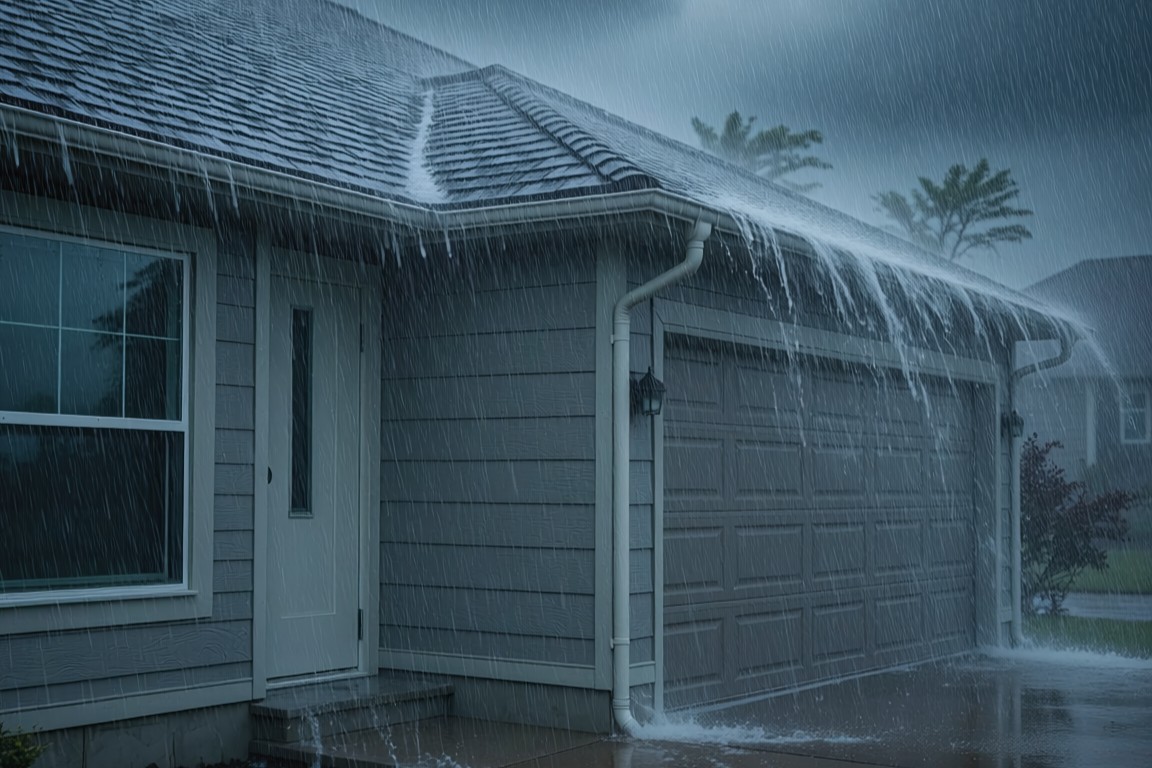
One key benefit is its resistance to moisture infiltration. Traditional siding materials absorb water, leading to swelling, decay, or mold growth—issues that plague homes in humid or rainy climates. Composite siding, however, features sealed surfaces and non-porous cores that repel water, preventing these problems at the source. Homeowners report fewer instances of bubbling or peeling, even after years of exposure, making it ideal for regions with variable weather patterns.
Impact resistance is another standout trait. Engineered to absorb shocks from hail, debris, or accidental bumps, composite panels bounce back without denting or fracturing. This toughness translates to lower repair needs, keeping your home’s exterior pristine longer. Contractors often emphasize how this built-in strength reduces callbacks for fixes, allowing them to focus on delivering flawless initial installations that endure.
Weathering the Elements: All-Season Protection
Mother Nature throws a lot at home exteriors—freezing temperatures, scorching sun, heavy rains, and high winds. Composite siding excels in these battles, providing year-round durability that minimizes seasonal maintenance. Its UV-resistant coatings prevent fading and discoloration, ensuring colors stay vibrant even under intense sunlight. Unlike vinyl, which can become brittle in cold snaps, or wood that expands and contracts with temperature swings, composites maintain stability, avoiding cracks or gaps that invite pests or drafts.
In windy conditions, the material’s secure fastening systems—often enhanced with hidden clips or reinforced edges—hold firm, reducing the risk of panels loosening or flying off. This wind resistance is crucial for homes in open areas or near bodies of water, where gusts can accelerate wear. Fire resistance adds another layer; many composites are treated to slow flame spread, offering peace of mind in wildfire-prone zones or urban settings with strict codes.
Homeowners upgrading to composite siding frequently note how it eliminates the cycle of frequent repaints or reseals. The factory-applied finishes bond deeply, resisting chipping and requiring only occasional washing to look new. When installed by skilled contractors, these weather-beating qualities are amplified through precise alignment and sealing, creating a barrier that’s as impenetrable as it is attractive.

Pest and Decay Resistance: A Natural Defense
One of the most frustrating durability threats to traditional siding is biological—termites, carpenter ants, or fungal growth that erode materials from within. Composite siding counters this with its synthetic components, which lack the organic appeal that attracts insects. No more worrying about hidden infestations weakening your home’s shell; the material’s composition deters pests naturally, without the need for chemical treatments.
Decay resistance goes hand-in-hand, as the absence of pure wood fibers means no rotting even in persistently damp conditions. This is a boon for basements, lower levels, or shaded sides of homes where moisture lingers. Mold and mildew, common culprits in siding failures, find no foothold on composite surfaces, promoting healthier indoor air quality by preventing spore infiltration.
Contractors value this inherent protection because it simplifies long-term care plans. They can confidently recommend composite for challenging installations, knowing it won’t succumb to biological breakdowns. This reliability allows for creative designs, like wrapping around complex angles or integrating with stone accents, without compromising on endurance.
Low Maintenance, High Longevity: Time-Saving Durability
Durability isn’t just about surviving—it’s about thriving with minimal effort. Composite siding embodies this through its low-maintenance profile, freeing homeowners from the grind of constant upkeep. Unlike wood that demands staining every few years or metal that might rust, composites wipe clean with a hose and mild soap, resisting stains from dirt, pollen, or bird droppings.
This ease extends to longevity; warranties often span 25 to 50 years, backed by fade-resistant guarantees that keep aesthetics sharp. The material’s dimensional stability prevents warping or buckling, ensuring joints stay tight and the facade remains smooth. In high-traffic family homes, this means fewer dings from play equipment or lawn tools, preserving curb appeal effortlessly.
Professional installation is key to unlocking this full potential. Contractors use specialized tools and techniques to ensure even expansion gaps and secure attachments, preventing issues like buckling in heat. Their expertise turns composite siding into a set-it-and-forget-it solution, allowing you to enjoy your home rather than constantly tending to it.
Environmental Durability: Sustainable Strength
Today’s homeowners seek materials that endure not just physically but environmentally. Composite siding fits this bill, often incorporating recycled content that reduces landfill waste while delivering robust performance. Its longevity means fewer replacements over a home’s life, conserving resources and minimizing environmental impact.
The material’s energy-efficient properties contribute too—by sealing out drafts and reflecting heat, it helps regulate indoor temperatures, easing the load on HVAC systems. This durability extends to eco-friendly manufacturing processes that use less water and energy than traditional alternatives. For green-minded projects, composites align with sustainable building standards, earning points in certifications like LEED.
Contractors specializing in eco-upgrades appreciate how composites integrate with insulation wraps or vapor barriers, enhancing overall home efficiency. This sustainable durability ensures your exterior choice benefits both your property and the planet, creating a legacy of responsible resilience.
Aesthetic Versatility Without Compromising Toughness
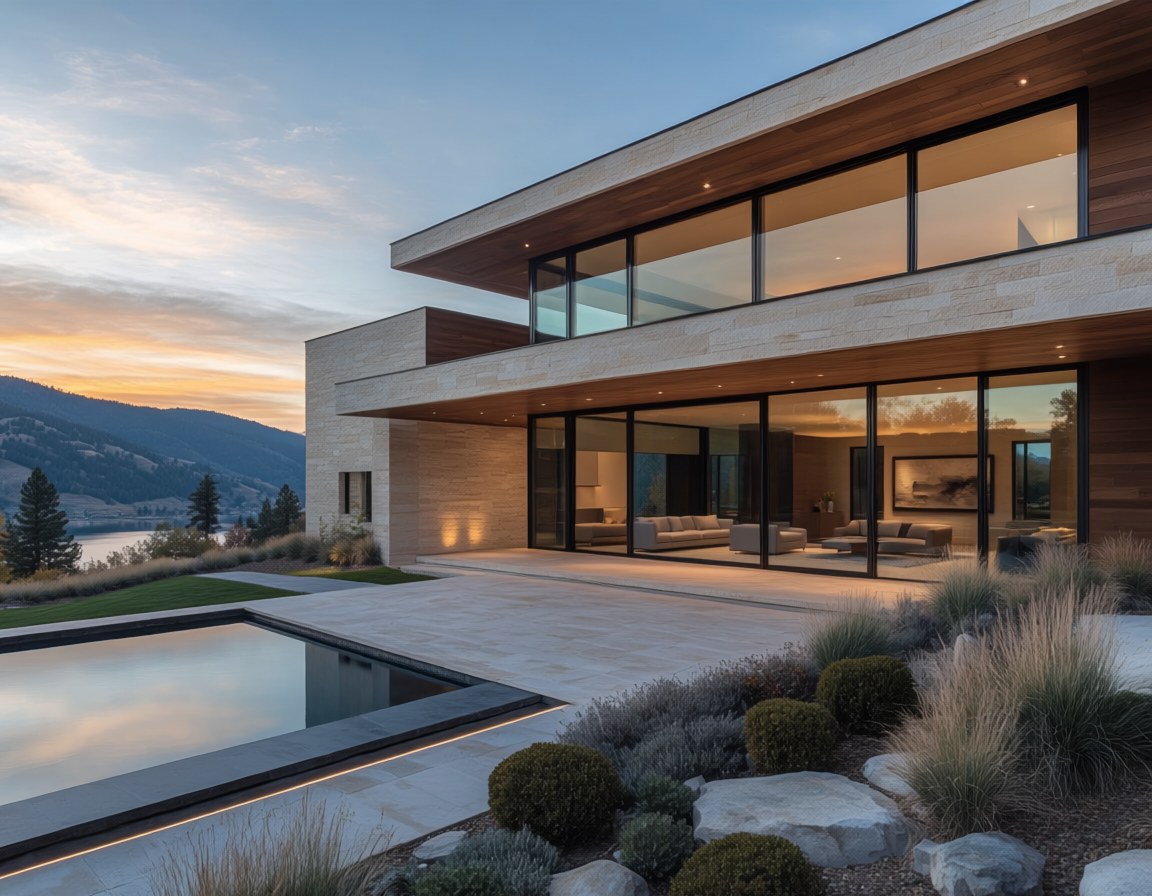
Durability doesn’t mean dull—composite siding offers a palette of textures, colors, and profiles that rival natural materials. From cedar shakes to smooth lap boards, it replicates authentic looks with engineered precision, allowing customization for any architectural style. This versatility ensures your home’s character shines through, whether it’s a cozy cottage or sleek modern abode.
The key is that this beauty is backed by brawn; the finishes are baked-in during production, resisting scratches and abrasions that mar lesser materials. Over time, this means your siding retains its charm, boosting curb appeal as discussed in related home enhancement topics. Contractors leverage this flexibility to craft seamless transitions between siding and other elements like windows or doors, ensuring a unified, durable exterior.
Integrating Composite Siding with Home Systems
Composite siding’s durability amplifies when paired with complementary home features. It works harmoniously with advanced insulation, creating a thermal envelope that stabilizes temperatures and reduces noise. In regions with extreme weather, combining it with impact-resistant windows enhances overall protection.
For smart homes, the material’s stability supports integrations like exterior lighting or security cams without drilling vulnerabilities. Contractors assess your full exterior system, recommending composites that align with roofing, gutters, and foundations for comprehensive coverage. This integrated approach maximizes durability, turning isolated upgrades into synergistic shields.

Real-World Performance: Homeowner Testimonials and Case Studies
Across diverse settings, composite siding proves its mettle. In coastal areas battered by salt air, it resists corrosion where metals fail. Urban homes endure pollution and grime without staining, while rural properties fend off wildlife damage. Case studies show homes with composite exteriors requiring 70% less maintenance over a decade, with energy savings to boot.
These successes often stem from professional guidance—contractors tailor selections to local conditions, ensuring peak performance. Their installations avoid common pitfalls like improper flashing, which could undermine durability.
Making the Switch: Tips for Optimal Durability
When opting for composite siding, start with a thorough home assessment to identify exposure points. Choose brands with proven track records and compatible accessories for full coverage. Focus on details like corner treatments and trim for enhanced longevity.
While DIY might tempt, enlisting contractors unlocks warranties and expertise, guaranteeing the material’s benefits are fully harnessed. They handle complexities like substrate prep and code compliance, delivering a durable result that’s built to last.
If you’re in the Minneapolis-St. Paul greater metropolitan area or throughout Minnesota, Presidential Construction in Maple Grove is your expert ally for composite siding projects. Our team specializes in installations that prioritize durability and design. Contact us at (651) 766-3464 or here to discuss how we can fortify your home—let’s build resilience together.