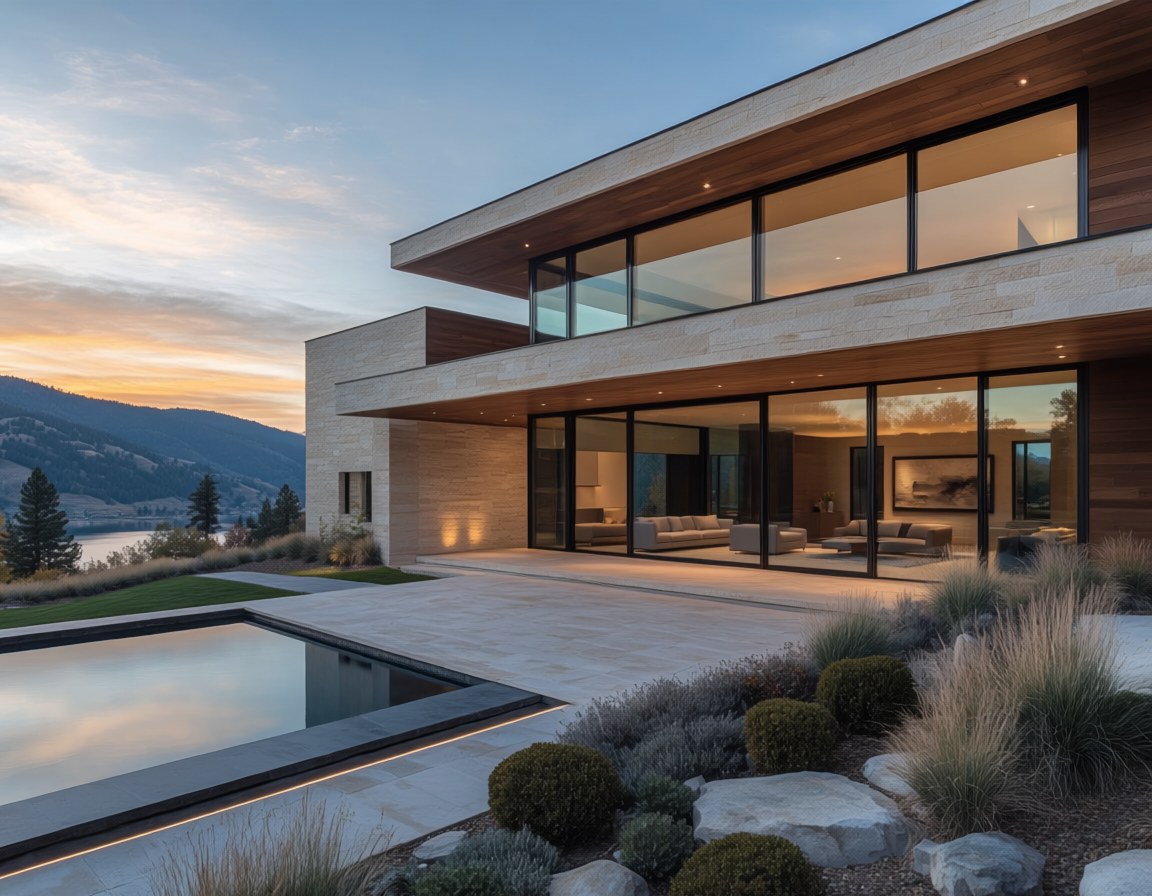
In the competitive world of real estate, where buyers weigh every feature against potential returns, the condition and quality of a home’s roof can be a decisive factor. Often overlooked until problems arise, roofing plays a crucial role in protecting the structure, enhancing aesthetics, and signaling overall home maintenance. A well-maintained or upgraded roof not only shields against the elements but also conveys reliability and care, influencing buyer perceptions and offers. Whether you’re preparing to list your property or investing for the long haul, understanding how roofing impacts resale value equips you to make strategic decisions that can yield significant rewards.
This guide delves into the ways roofing contributes to a home’s market appeal. We’ll explore durability, energy efficiency, curb appeal, and more, supported by industry trends and homeowner insights. By recognizing these dynamics, you can identify opportunities to elevate your property. And as we’ll highlight, partnering with seasoned contractors ensures these enhancements are executed flawlessly, transforming your roof into a valuable asset that supports your home’s worth.
A new roof can increase a home’s value by improving curb appeal, reducing future maintenance concerns, and signaling strong structural protection. Many homeowners recover 60–70% of the cost of a roof replacement at resale, while also attracting more buyers who prefer move-in ready homes.
The Connection Between Roofing and Buyer Impressions
First impressions in real estate are formed quickly, often from the street or online photos, and the roof is a prominent element in that view. A sagging, stained, or outdated roof can raise immediate concerns about leaks, structural issues, or neglected upkeep, prompting buyers to question the home’s integrity and negotiate aggressively. Conversely, a fresh, high-quality roof suggests a property that’s been thoughtfully maintained, instilling confidence and justifying higher asking prices.
Market data reinforces this: Homes with recent roof replacements or upgrades tend to sell faster and at premiums, sometimes recouping 60-70% of the investment at resale. In 2026, with buyers prioritizing turnkey properties amid rising interest rates, a roof that promises longevity becomes a strong selling point. Brands like TAMKO, Owens Corning, and Malarkey—as featured in top roofing discussions—offer shingles with advanced features that appeal to informed purchasers, such as enhanced wind resistance or algae protection that keep roofs looking pristine.
Beyond visuals, roofing ties into broader exterior harmony. When coordinated with siding materials like engineered wood or composites—as explored in pros and cons analyses—the roof creates a unified facade that draws eyes upward, emphasizing architectural lines. Professional contractors assess color, texture, and style matches during installations, ensuring the roof complements elements like Dutch lap or clapboard siding for a polished, inviting exterior that captivates from the curb.

Durability and Protection: Building Long-Term Assurance
A roof’s ability to withstand weather is paramount to resale value, as buyers seek homes that won’t require immediate major repairs. Durable roofing materials resist damage from hail, wind, snow, and UV exposure, reducing the risk of costly issues like leaks or mold that could surface during inspections. In regions with harsh winters or frequent storms, roofs from reliable brands demonstrate resilience, reassuring buyers of the home’s robustness.
For instance, impact-resistant shingles from top manufacturers can handle severe conditions, minimizing granule loss and maintaining integrity over time. This durability extends the roof’s lifespan, often to 30-50 years with proper care, which translates to fewer future expenses for new owners—a key consideration in appraisals. Homes with such roofs often command higher values, as evaluators factor in the reduced liability.
Protection also encompasses fire resistance and pest deterrence. Non-combustible options or those with Class A fire ratings add safety layers, appealing in areas with wildfire risks. When integrated with home features like attic ventilation or window placements—such as hopper styles for basements—the roof supports overall structural health, preventing condensation or heat buildup. Contractors enhance this by incorporating underlayments and flashing that seal vulnerabilities, ensuring the roof performs as a comprehensive shield that bolsters buyer trust and resale potential.
Energy Efficiency: A Key to Modern Appeal
Today’s buyers are increasingly drawn to energy-efficient homes that promise lower utility bills and a smaller environmental footprint. Roofing contributes by influencing insulation and solar reflectance, helping regulate indoor temperatures. Light-colored or cool roofing materials from innovative brands reflect sunlight, reducing heat absorption in summer and easing air conditioning demands. In winter, well-insulated roofs retain warmth, complementing features like efficient windows—as discussed in their impact on heating and cooling.
Homes with energy-smart roofing often qualify for certifications or rebates, adding tangible value. Studies show that such upgrades can increase resale prices by 2-5%, as buyers recognize the ongoing savings. Shingles with advanced granule technology, for example, maintain their reflective properties longer, ensuring consistent performance.
When paired with siding like brick veneer or board and batten—as highlighted in design benefits—the roof forms a tight envelope that minimizes air leaks, enhancing overall efficiency. Contractors optimize this by recommending ventilation systems and ridge vents that promote airflow, preventing energy loss from trapped moisture or heat. Their expertise ensures the roof not only looks superior but also functions as an active contributor to a comfortable, cost-effective home.
| Roofing Material | Lifespan | Average ROI |
|---|---|---|
| Asphalt Shingles | 20–30 years | 60–70% |
| Architectural Shingles | 30–50 years | 65–75% |
| Metal Roofing | 40–70 years | 70–85% |
| Slate Roofing | 75–100 years | 60–80% |
Curb Appeal and Architectural Harmony
Roofing is a major visual component, covering up to 40% of a home’s exterior, so its style and condition directly affect curb appeal. A mismatched or worn roof can detract from even the most charming facade, while a thoughtfully chosen one elevates the entire property. Dimensional shingles from leading brands add texture and depth, creating shadow lines that enhance architectural interest, whether on a colonial gable or a modern flat roof.
Upgrading to premium roofing can modernize an older home, blending seamlessly with contemporary trends. For example, architectural shingles mimic slate or wood shakes without the weight, offering versatility for rustic or sleek looks. This harmony extends to integrations with siding like shake or Dutch lap—as compared in style guides—where the roof’s profile ties the elements together for a cohesive silhouette.
Buyers notice these details during tours or virtual viewings, associating a standout roof with quality craftsmanship. Professional contractors bring design acumen, using software to preview options and ensure the roof aligns with your home’s pitch, color scheme, and features like dormers or skylights. This tailored approach turns roofing into a curb appeal powerhouse, making your property more memorable and desirable in the market.

Maintenance and Longevity Features
Low-maintenance roofing is a resale boon, as buyers prefer properties that won’t demand constant attention. Materials resistant to algae, streaking, or fading—common in top brands—keep roofs looking new with minimal effort, such as occasional cleaning. This reduces the appeal of high-maintenance alternatives that require frequent inspections or repairs.
Longevity features, like reinforced cores or polymer-modified asphalt, ensure roofs endure without premature replacement, a major plus for resale appraisals. Homes with warranties from 30 to lifetime coverage signal reliability, appealing to risk-averse buyers. When combined with durable siding like LP SmartSide or James Hardie—as outlined in pros and cons—the roof supports a low-upkeep exterior that promises ease for future owners.
Contractors amplify these benefits by installing with best practices, including proper nailing and sealing to prevent uplift or leaks. Their oversight includes post-installation advice on maintenance, ensuring the roof’s features are preserved for maximum resale impact.
Environmental and Health Considerations
Eco-friendly roofing options from forward-thinking brands incorporate recycled content or smog-reducing granules, aligning with buyer preferences for sustainable homes. These features not only lower environmental impact but also improve air quality, a subtle yet valued perk.
Health benefits include better ventilation that reduces indoor humidity and mold risks, tying into window efficiencies for fresher air. Buyers seeking wellness-focused properties appreciate roofs that contribute to a healthier living environment.
Contractors knowledgeable in green installations recommend brands that meet these criteria, ensuring your upgrade supports both planetary and personal well-being.
Integration with Smart Home and Modern Tech
As homes evolve, roofing that accommodates solar panels or smart sensors adds forward-thinking appeal. Durable shingles from top brands provide stable bases for these integrations, positioning your property as tech-ready.
This adaptability resonates in a market where buyers prioritize innovation, potentially increasing offers by highlighting future-proofing.
Professional contractors coordinate with specialists for seamless additions, ensuring the roof’s integrity while embracing modern enhancements.
Regional and Market-Specific Influences
Local climate and trends shape roofing’s resale role. In snowy areas, roofs with high impact ratings handle accumulation better, while in sunny regions, reflective options combat heat. Understanding these helps tailor upgrades for maximum appeal.
Real estate pros note that region-appropriate roofing—such as wind-resistant designs—highlights resilience, drawing buyers by addressing local concerns.
Contractors with area expertise guide selections that comply with codes and optimize for conditions, enhancing market position.
In Minnesota’s harsh winters, durable roofing materials and proper installation are critical to maintaining long-term home value.
Maximizing Resale Through Strategic Roofing Upgrades
To leverage roofing for resale, start with an inspection to identify needs. Focus on high-visibility areas or full replacements for comprehensive impact. Choose brands known for performance, blending with siding like brick veneer or shake for unity.
Document upgrades for listings, emphasizing warranties and efficiencies. While DIY inspections are possible, professional assessments and installations unlock full potential.
In the Minneapolis-St. Paul greater metropolitan area and throughout Minnesota, Presidential Construction in Maple Grove excels in roofing projects that boost resale value. Our team brings precision to every installation, ensuring your roof enhances protection and appeal. Contact us at (651) 766-3464 to explore options—let’s elevate your home’s market readiness together.
FAQ
Does replacing a roof increase home value?
Yes. A roof replacement can increase home value by improving curb appeal, reducing inspection concerns, and providing buyers with long-term protection against costly repairs.
How much value does a new roof add to a home?
Most homeowners recover 60–70% of the roof replacement cost at resale depending on materials, local market demand, and roof condition.
Should I replace my roof before selling my house?
If your roof is near the end of its lifespan or shows visible damage, replacing it before listing can help attract more buyers and prevent price negotiations.
What roofing materials provide the best resale value?
Architectural asphalt shingles, metal roofing, and impact-resistant shingles tend to deliver strong resale value because they offer durability and energy efficiency.
What are some of the most trusted roofing shingle manufacturers?
Several manufacturers are widely recognized in the roofing industry for producing durable and high-performance shingles. Leading brands include Owens Corning, TAMKO Building Products, and GAF Materials Corporation. These companies offer a variety of asphalt shingle systems designed for durability, weather resistance, and energy efficiency. Many homeowners choose these brands because they provide strong warranties, advanced shingle technologies, and products tested to withstand harsh weather conditions.
Internal Resources to Help You Make Smarter Roofing Decisions
If you’re researching how roofing affects home value, it’s helpful to understand the other components and factors that influence a roof’s performance, durability, and maintenance needs. The following guides from our blog dive deeper into important roofing topics homeowners should understand before upgrading or replacing their roof.
Signs It May Be Time to Replace Your Roof
Not sure if your current roof is hurting your home’s resale value? Our guide on How to Tell If You Need a New Roof: 7 Telltale Signs You Shouldn’t Ignore explains the common warning signs homeowners should look for, including curling shingles, aging materials, and hidden attic damage. Catching these issues early can help prevent costly repairs and protect your property’s long-term value.
Why Roof Components Like Flashing Matter
A roof’s resale value isn’t just about shingles—supporting components also play a major role in preventing leaks and structural damage. Learn more in What Is Roof Flashing and Why Is It Essential?, where we explain how flashing protects vulnerable areas like chimneys, vents, and valleys from moisture intrusion.
Protecting the Edges of Your Roof
Water damage around roof edges can significantly impact a home’s condition and appraisal value. In Protecting Your Roof’s Edge: The Essential Role of a Drip Edge, we explain how this small but critical component directs water away from your roof deck and fascia boards to prevent long-term damage.
Understanding Storm Damage and Roofing Risks
Storm damage is one of the most common reasons homeowners replace their roofs. Our guide Types of Storm Damage That Can Happen to Your Roof outlines how hail, wind, and severe weather can weaken roofing materials and compromise your home’s protection.
Improving Exterior Value Beyond the Roof
Roofing works best when paired with a strong exterior design. If you’re also considering siding upgrades, our article Choosing LP SmartSide® Engineered Wood Siding: Pros and Cons explores one of the most durable siding options for boosting curb appeal and long-term home value.
c