The lifespan of a roof is a critical consideration for any homeowner, as it directly impacts your home’s protection, maintenance costs, and overall value. While no roof lasts forever, understanding the average durability of different materials can help you plan for replacements and make informed decisions during installations or upgrades. Factors like climate, installation quality, and regular care play significant roles in how long your roof endures. In regions with harsh winters like Minnesota, where heavy snow, ice dams, and freeze-thaw cycles are common, choosing resilient materials and professional installation becomes even more essential. This guide explores the typical lifespans of common roofing types, what influences them, and tips to maximize longevity—all while emphasizing the importance of expert contractors to ensure your roof performs at its best.
By investing wisely in your roof, you not only safeguard your home but also enhance its resale appeal, as discussed in related insights on how roofing affects home value. Whether you’re assessing your current setup or planning a new one, knowing these details empowers you to protect your investment effectively.
Factors Influencing Roof Lifespan
Several variables determine how long a roof will last, beyond just the material itself. Recognizing these can help you extend durability and avoid premature failures.
First, climate and weather exposure are major influencers. In the Minneapolis-St. Paul area, extreme cold, snow accumulation, and rapid temperature swings can accelerate wear on roofs. Materials that handle moisture and thermal expansion well, like metal or high-quality asphalt, fare better here than those prone to cracking or warping. Harsh UV rays in summer can also degrade shingles, leading to granule loss and reduced protection.
Installation quality is another pivotal factor. A poorly installed roof—whether due to improper nailing, inadequate flashing, or insufficient ventilation—can shave years off its life. Professional contractors ensure compliance with building codes, proper underlayment, and secure fastening, preventing issues like leaks or uplift during winds. In Minnesota’s variable weather, expert installation is key to avoiding ice dam-related damage or ventilation problems that trap moisture.
Maintenance routines significantly extend lifespan. Regular inspections for missing shingles, clogged gutters, or debris buildup allow for early repairs. Trimming overhanging trees prevents abrasion, and ensuring good attic ventilation reduces heat and humidity that accelerate deterioration. Homeowners who schedule annual check-ups often see their roofs outlast average estimates.
Finally, roof pitch and design affect longevity. Steeper pitches shed snow and water more efficiently, reducing stress on materials. Complex designs with multiple valleys or dormers may require more upkeep to prevent water pooling. When paired with complementary home features like energy-efficient windows—as explored in their role in heating and cooling—a well-designed roof contributes to overall home performance, minimizing energy loss and enhancing durability.
Average Lifespans of Common Roofing Materials
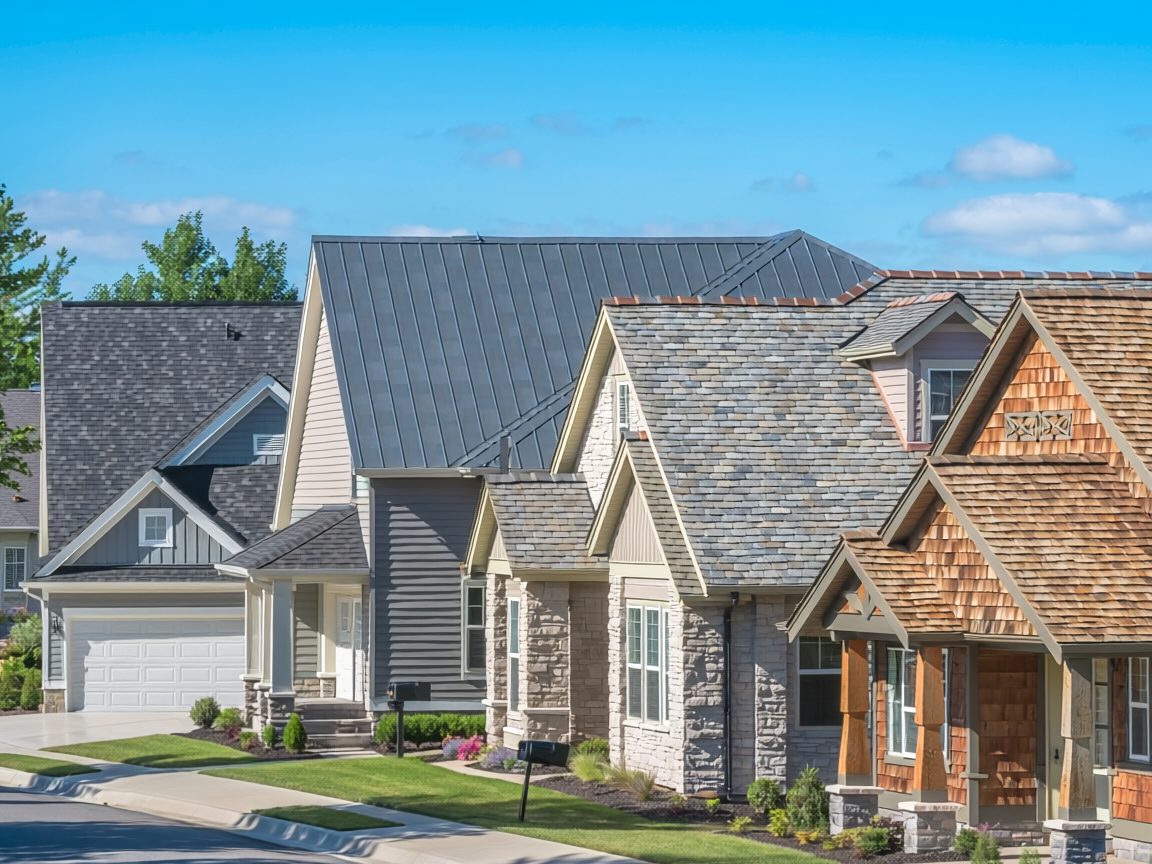
Roofing materials vary widely in durability, cost, and suitability for different climates. Below, we outline the typical lifespans based on industry standards and real-world performance. These are averages; actual longevity depends on the factors mentioned above. For a clear comparison, here’s a table summarizing key types:
| Roofing Material | Average Lifespan | Best For | Key Considerations |
| Asphalt Shingles | 15-30 years | Budget-friendly, versatile homes | Affordable and easy to install; architectural versions last longer (up to 30 years). In Minnesota, opt for impact-resistant options to handle hail. |
| Metal Roofing | 40-70 years (up to 100 for copper) | Modern or rustic designs, high-wind areas | Excellent snow shedding; resists fire and pests. Ideal for MN’s winters due to durability against ice. |
| Clay or Concrete Tiles | 50-100 years | Mediterranean or southwestern styles | Heavy but long-lasting; good thermal mass for energy efficiency. Requires strong structural support. |
| Slate Roofing | 75-200 years | Historic or luxury homes | Premium material with timeless appeal; highly resistant to weather but expensive and heavy. |
| Wood Shakes/Shingles | 20-40 years | Rustic or coastal properties | Natural look; treats well for fire resistance. Prone to rot in humid climates without maintenance. |
| Flat Roofing (e.g., EPDM, TPO) | 10-30 years | Modern or commercial-style homes | Flexible for low-slope roofs; good for green roofing add-ons. Needs UV protection in sunny areas. |
These estimates assume proper installation and moderate climates. In the greater Minneapolis-St. Paul area, where winters bring heavy snow loads, materials like metal or premium asphalt shingles often outperform others by resisting ice buildup and thermal stress.

Signs It’s Time to Replace Your Roof
Even the most durable roofs eventually wear out. Watch for these indicators to avoid costly interior damage:
- Age: If your roof is approaching the end of its expected lifespan, proactive replacement prevents surprises.
- Visible Damage: Curling, cracking, or missing shingles; granule loss in gutters (for asphalt); or rust on metal signal deterioration.
- Leaks and Water Stains: Interior ceiling spots or damp attic insulation indicate penetration.
- Sagging or Uneven Areas: Suggests structural issues from water damage or poor support.
- Higher Energy Bills: A failing roof can lead to poor insulation, increasing heating/cooling costs.
- Moss or Algae Growth: Common in shaded, humid spots; while treatable, persistent growth may point to underlying moisture problems.
In Minnesota’s climate, ice dams—frozen ridges along eaves—can force water under shingles, accelerating wear. Regular professional inspections catch these early, potentially extending life by years.
Extending Your Roof’s Lifespan
To maximize durability, adopt these practices:
- Routine Maintenance: Clean gutters twice yearly to prevent water backup; remove debris to avoid abrasion.
- Professional Inspections: Annual checks by contractors identify minor issues before they escalate.
- Proper Ventilation: Ensures air circulation in attics, reducing heat and moisture that degrade materials.
- Quality Materials and Installation: Choose reputable brands like those discussed in top roofing for 2026 (TAMKO, Owens Corning, Malarkey) and insist on certified installers for warranty compliance.
- Climate-Specific Upgrades: In snowy areas, add ice and water shields or heated cables to combat dams.
- Integration with Home Features: Pair with efficient siding and windows—like those in awning vs. casement comparisons—for a sealed envelope that minimizes stress on the roof.
Contractors are invaluable here, offering tailored advice and executions that align with your home’s design, such as matching roof pitches with siding like board and batten for optimal drainage.
Roofing’s Role in Home Resale Value
As covered in related explorations of how roofing affects resale, a solid roof can boost your home’s market price by signaling low future costs. Buyers in the Minneapolis-St. Paul area, facing tough winters, prioritize roofs that handle snow and ice without issues. Upgrading to durable materials not only recoups investment but also speeds sales, with fresh roofs often leading to fewer negotiation hurdles during inspections.
This ties into broader exterior enhancements—like siding’s impact on value—where a cohesive roof-siding-window combo creates an appealing, efficient package. Professional contractors document upgrades for appraisals, emphasizing features like energy ratings or warranties that appeal to buyers.

Choosing the Right Roof for Longevity
Ultimately, your roof’s lifespan hinges on selecting materials suited to your needs and ensuring expert installation. For Minnesota homes, prioritize options that resist cold-weather damage, like metal or architectural shingles. Consult resources on top brands for 2026 to find innovative, sustainable choices.
While DIY assessments are tempting, enlisting contractors unlocks full potential through precise work and code adherence. They handle complexities like integrating with existing siding or windows, delivering a roof that’s built to last.
If you’re in the Minneapolis-St. Paul greater metropolitan area or throughout Minnesota, Presidential Construction in Maple Grove is here to help assess and extend your roof’s life. Our team specializes in installations and replacements that prioritize durability and performance. Give us a call at (651) 766-3464 to discuss your project—let’s ensure your roof protects your home for years to come.
Understanding how long a roof lasts can help homeowners make smarter decisions about roof maintenance, repairs, and future replacements. From choosing durable roofing materials to improving ventilation and preventing storm damage, every part of your roofing system plays a role in long-term performance. If you’re planning a roof replacement, it may also help to learn about Roof Shingle Colors: 6 Things To Consider Before Choosing and the 7 Questions to Ask Roofing Contractors in 2026 before starting your project. Homeowners looking for guidance can also explore our tips on How to Find a Trustworthy Local Roofer and discover how exterior upgrades like roofing and siding can impact property value in our article about How Siding Affects Home Resale Value.