Your roof is the crown of your home—a vital element that not only shields against the elements but also defines its character and curb appeal. In 2026, with roofing innovations emphasizing customizable palettes that incorporate solar-reflective pigments and adaptive hues for better environmental integration, selecting the right shingle color has evolved into a strategic decision. Gone are the days of default grays or blacks; today’s options allow for shades that enhance energy performance, blend with natural surroundings, or make bold statements. But with so many choices, how do you pick a color that complements your home’s design while standing up to real-world demands? Whether you’re replacing an aging roof or building anew, thoughtful consideration ensures your selection adds lasting value and harmony.
This guide outlines six key factors to weigh before finalizing your shingle color. Drawing from emerging trends and practical insights, we’ll explore how these choices intersect with your home’s overall ecosystem, including integrations with windows and siding. By partnering with experienced contractors who understand these nuances, you can transform this decision into an opportunity for a roof that’s as functional as it is visually striking. Their expertise in material matching and installation precision turns abstract ideas into tangible enhancements that protect and beautify your property.
1. Aligning Color with Your Home’s Architectural Style
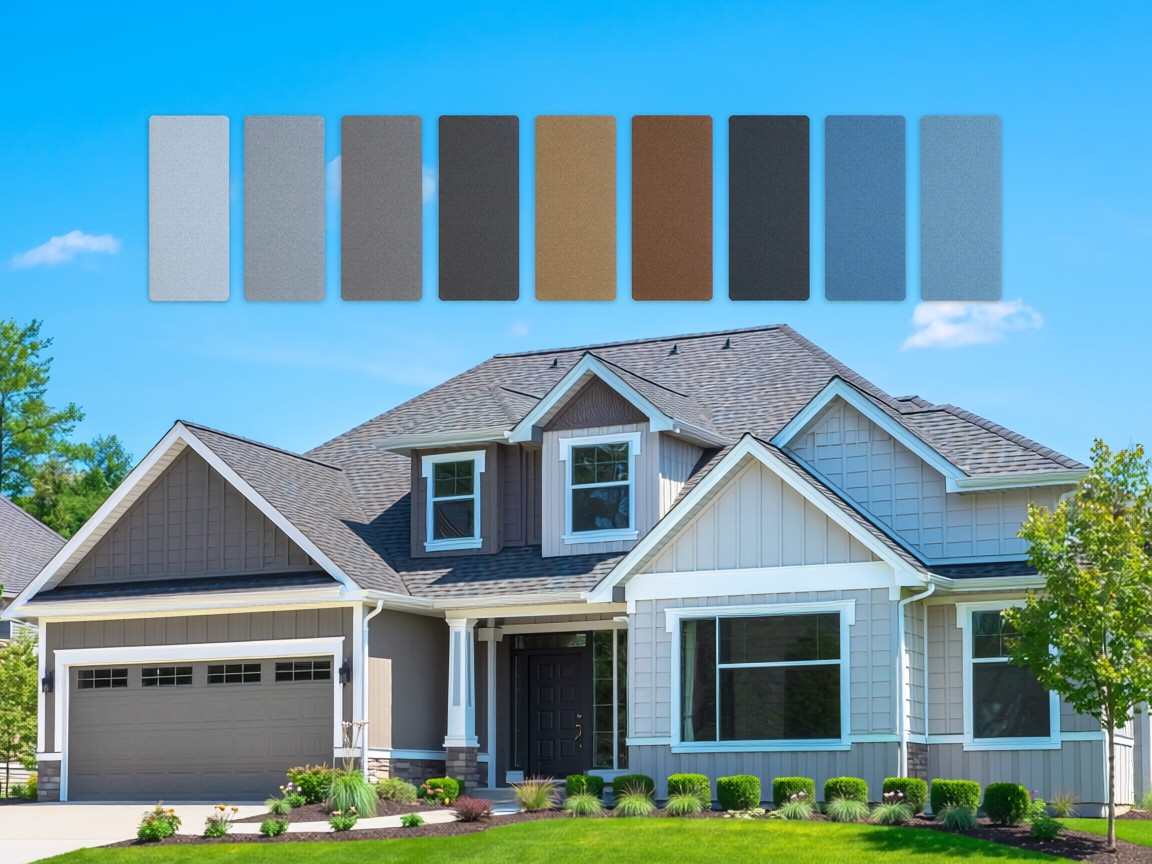
The foundation of any shingle color choice lies in your home’s architectural DNA. A mismatched hue can disrupt the flow, while a harmonious one elevates the entire facade. For instance, colonial-style homes often shine with classic earth tones like deep browns or slates that evoke timeless elegance, whereas mid-century modern designs benefit from cooler grays or muted blues for a sleek, understated vibe.
In 2026, shingle manufacturers are introducing collections with layered color blends that mimic natural stone or wood, allowing for subtle depth that complements intricate details like gables or dormers. Consider how the color interacts with existing elements—darker shades can make a roofline appear more grounded, ideal for ranch-style houses, while lighter tones draw the eye upward, enhancing the stature of multi-story structures.
This alignment extends to integrations with other features. For example, when paired with window styles like casements or awnings—as explored in their pros and cons—the shingle color can frame openings for better visual balance, creating shadows that add dimension. Contractors play a pivotal role here, offering virtual renderings to preview how colors tie into your architecture. Their trained eye ensures the selection respects your home’s lines, avoiding clashes that could diminish its inherent charm and opting for palettes that amplify its unique personality.
2. Considering Neighborhood Aesthetics and Community Harmony
Your home doesn’t exist in isolation—it’s part of a larger tapestry of neighborhood aesthetics. Before settling on a shingle color, survey surrounding properties to ensure your choice contributes to the collective appeal rather than standing out awkwardly. In established suburbs, earthy neutrals like tans or charcoals often foster unity, while bolder accents in vibrant reds or greens suit eclectic enclaves where individuality thrives.
2026 trends lean toward adaptive colors that shift subtly with light, blending seamlessly during the day while offering a warm glow at dusk. This consideration is especially relevant in communities with homeowners associations (HOAs), where guidelines might specify palettes to maintain cohesion. A well-chosen color not only respects these norms but can subtly elevate your home’s presence, making it a standout without overshadowing neighbors.
Tie this in with exterior elements like siding—options such as board and batten or shake, as highlighted in design inspirations—pair beautifully with complementary shingle tones for a cohesive street view. Contractors bring local knowledge to this factor, familiar with regional trends and HOA requirements. They guide selections that enhance community harmony while personalizing your space, ensuring your roof becomes a positive contributor to the neighborhood’s visual narrative.

3. Evaluating Climate Impact and Energy Performance
Climate isn’t just a backdrop—it’s a force that interacts daily with your roof’s color. Darker shingles absorb more heat, which can be advantageous in cooler climates for melting snow but problematic in warmer ones by increasing cooling demands. In 2026, light-reflective colors with cool roofing technology are gaining traction, incorporating granules that deflect UV rays to keep attics cooler and reduce energy strain.
For variable weather patterns, mid-tones like terracottas or soft grays offer balance, minimizing thermal expansion that could lead to cracking over time. This factor ties directly into energy performance—lighter shades can lower utility needs by up to 20%, synergizing with efficient windows, as noted in their role in home heating and cooling, for a more comfortable interior.
Consider how color affects longevity too; fade-resistant formulations from top brands prevent discoloration from sun exposure, maintaining vibrancy through seasons. Contractors assess your home’s orientation—south-facing roofs might benefit from reflective hues to combat heat buildup—and recommend colors that optimize for your locale. Their expertise ensures the selection not only withstands environmental stresses but actively contributes to a more efficient, resilient home.
4. Balancing Durability and Maintenance with Color Choices
Color isn’t merely cosmetic—it influences how your shingles hold up over time. Darker tones can show dirt or algae more readily, while lighter ones might highlight streaks from environmental buildup. In 2026, advancements like algae-resistant granules embedded in shingles mitigate these issues, allowing bolder colors without extra upkeep.
Durable colors often come from premium materials with baked-on finishes that resist fading, ensuring your roof retains its protective layer longer. This durability extends to integrations with siding—matching shingle hues with options like engineered wood or composites, as detailed in their pros and cons, creates a low-maintenance exterior that weathers gracefully.
Maintenance considerations are key; colors that camouflage minor wear reduce the need for frequent touch-ups, preserving your home’s pristine look. Contractors evaluate material pairings, recommending colors that align with your lifestyle—busy households might prefer forgiving mid-tones. Their installation techniques, like precise layering, enhance color longevity, turning your choice into a practical, enduring feature that simplifies care while maximizing protection.
5. Thinking About Resale Value and Future Appeal
A roof’s color can significantly sway your home’s market position, as buyers often envision long-term living. Neutral, timeless shades like warm beiges or cool slates appeal broadly, signaling a versatile canvas for personalization. In 2026, with buyers prioritizing sustainable features, colors that boost energy efficiency—such as those with high solar reflectance—add tangible value by promising lower bills.
This factor links to broader resale dynamics, as explored in how roofing affects home value. A well-chosen color enhances curb appeal, making listings pop with inviting warmth or modern crispness. When harmonized with window configurations—like double-hung or sliding styles from choice guides—it creates a unified exterior that draws interest.
Future appeal considers trends; subtle variegated blends mimic natural materials, offering enduring style that doesn’t date quickly. Contractors provide foresight here, drawing on market insights to suggest colors that elevate resale potential. Their professional touch ensures the installation showcases the color’s best attributes, positioning your home as a desirable, forward-looking property.
6. Incorporating Personal Preference and Lifestyle Needs
Amid practicalities, don’t overlook the joy of personalization—your roof’s color should reflect your taste and how you live. Warm russets might evoke cozy evenings for family-oriented homes, while sleek blacks suit minimalist lifestyles seeking drama. In 2026, customizable color lines allow for unique expressions, like iridescent effects that shift with sunlight for a dynamic presence.
Lifestyle needs guide this too; light colors can illuminate shaded yards, while deeper tones provide contrast against snowy backdrops. This personal touch integrates with home elements—coordinating with siding like Dutch lap or clapboard, as compared in style overviews, for a signature look.
Ultimately, blending preference with functionality creates a roof that feels truly yours. Contractors facilitate this by offering samples under natural light and discussing how colors influence daily ambiance. Their collaborative approach ensures your vision aligns with durable, practical outcomes, crafting a roof that’s both personal and protective.

Making the Final Choice: The Role of Expert Guidance
Selecting a shingle color involves weaving these factors into a cohesive decision, but the process thrives with professional input. Contractors bring a wealth of experience, from trend awareness to technical know-how, helping you navigate options without overwhelm. They conduct on-site evaluations, considering sunlight angles and surrounding foliage to predict how colors will perform in real conditions.
Their installations elevate the choice, using precise techniques that highlight the color’s depth and ensure even coverage. This expertise not only realizes your vision but enhances the roof’s overall performance, from weather resistance to aesthetic longevity.
If you’re in the Minneapolis-St. Paul greater metropolitan area or throughout Minnesota, Presidential Construction in Maple Grove is here to guide your shingle color journey. Our team specializes in roofing projects that merge innovation with craftsmanship. Call us at (651) 766-3464 or explore how we can bring your ideal roof to life—let’s choose a color that crowns your home perfectly.
When choosing the right roof shingle color for your home, it’s important to think beyond appearance alone. The color of your roof can impact curb appeal, energy efficiency, neighborhood aesthetics, and even long-term resale value. Homeowners planning a future roof replacement often benefit from speaking with a professional contractor about the most important questions to ask roofing contractors before making a final decision.
Roof shingle colors should also complement other exterior features such as siding, trim, and windows. Coordinating your roofing system with exterior materials like modern siding upgrades that improve resale value can create a more cohesive and visually appealing home exterior. Lighter shingle colors may also pair well with energy-efficient replacement windows to help improve overall home efficiency and comfort.
If you’re unsure which roofing color works best for your home’s architecture or neighborhood, working with a trustworthy local roofing contractor can help simplify the process. Experienced roofing professionals can recommend color combinations that improve curb appeal while also helping your roof perform well in Minnesota’s changing weather conditions.