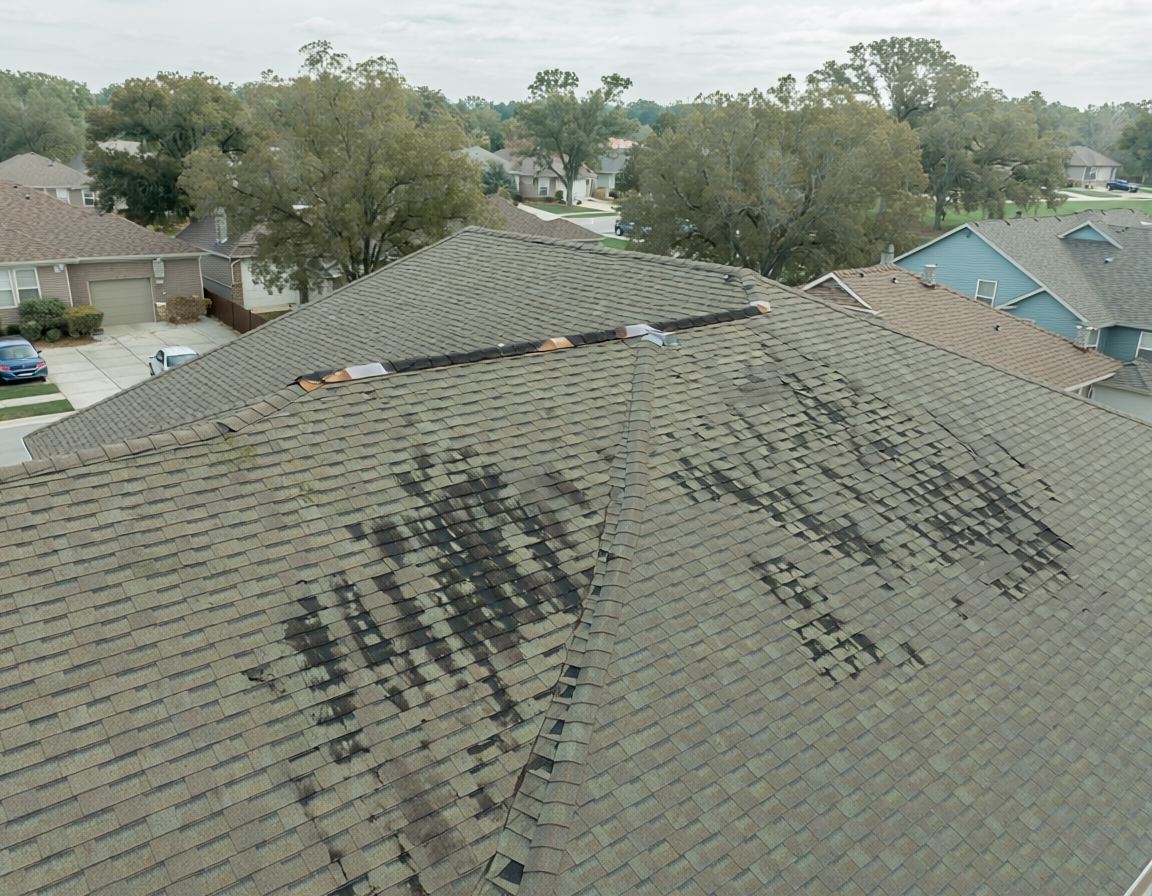
Your roof is the silent sentinel of your home, standing guard against rain, snow, wind, and sun without fanfare. But like any guardian, it has a lifespan, and ignoring the subtle warnings of wear can lead to sudden failures that turn minor drips into major disasters. In residential homes, where roofs protect everything from family gatherings to quiet evenings, recognizing these signs early isn’t just wise—it’s essential for maintaining safety, efficiency, and curb appeal. A delayed replacement might result in leaks that damage interiors, mold growth that affects health, or structural issues that compromise stability. But catching them in time allows for a proactive upgrade that not only restores protection but enhances your home’s performance against the elements. Drawing from common homeowner discoveries and professional assessments, this guide outlines key indicators that your roof is nearing the end of its service, explaining why each matters and how a timely replacement can prevent escalation.
Whether your roof is subtly signaling distress through faded shingles or more overtly with visible leaks, understanding these cues empowers you to act before problems worsen. We’ll explore age-related wear, physical damage, internal clues, and weather impacts, all while highlighting how professional contractors play a vital role in identifying issues and guiding replacements that fortify your home. Their expertise ensures the process is smooth, with materials chosen for durability and installations that optimize efficiency. As you safeguard your roof, you’ll also see how this upgrade can inspire complementary improvements, like energy-efficient windows that seal drafts, reduce noise from storms, and invite more natural light to create brighter, more comfortable spaces.
The Age Factor: When Time Takes Its Toll
Roofs don’t last forever—most asphalt shingle types, common in residential homes, have a lifespan of 20-30 years, depending on quality and exposure. If yours is approaching or beyond this range and showing other signs, replacement is often the best path to avoid sudden failures. Age alone doesn’t doom a roof, but it weakens materials, making them brittle and less effective against weather.
In areas with harsh seasons, like those prone to freeze-thaw cycles, aging accelerates—shingles lose flexibility, leading to cracks that invite moisture. A homeowner who waited until their 28-year-old roof leaked during a spring rain regretted not acting sooner—the contractor’s inspection revealed widespread deterioration, but the replacement with modern architectural shingles restored reliability and added curb appeal.
Professional contractors assess age alongside condition, using tools like core samples to check underlayers for rot or granule loss. Their early intervention prevents minor wear from becoming emergencies, ensuring the replacement aligns with your home’s needs for long-term protection.
Curling or Buckling Shingles: Visible Distress Signals
Curling shingles, where edges lift like pages in an old book, or buckling, where they wave unnaturally, are clear cries for help. Heat from poor attic ventilation or age dries out the asphalt, causing loss of flexibility and adhesion. In residential roofs, this allows water to seep under, leading to leaks that stain ceilings or promote mold.
Buckling often stems from uneven decking or moisture trapped below, creating bumps that disrupt the flat surface needed for proper drainage. During heavy rains, these deformities channel water toward vulnerabilities. A family noticed curling after a hot summer—the contractor’s evaluation showed it was from heat buildup, and the replacement with ventilated underlayment fixed the root cause, preventing recurrence.
Contractors spot these early, recommending materials like impact-resistant shingles that resist curling for better endurance. Their installations include ventilation upgrades, ensuring the new roof stays flat and functional.

Granule Loss: The Protective Layer Eroding Away
Granules on asphalt shingles act as armor against UV rays and impacts, but when they wash away—often collecting in gutters— the asphalt beneath exposes to faster degradation. Weather like hail or wind accelerates this, while age naturally loosens them. In residential settings, granule loss leads to bald spots that crack under sun exposure, shortening the roof’s life.
Check downspouts for excessive granules after storms—if they’re pouring out, the protective coating is failing. A homeowner found granules filling their gutters—the contractor’s check revealed widespread loss, prompting a replacement with granule-embedded shingles for better UV resistance.
Pros use magnification to assess granule density, recommending high-quality options that retain coatings longer. Their expertise ensures the replacement restores this shield, protecting against premature wear.
Missing or Damaged Shingles: Gaps in the Armor
Missing shingles from wind or storms create immediate vulnerabilities, allowing water direct access to underlayment and decking. Damaged ones—cracked from hail or branches—do the same, leading to rot or leaks. In residential roofs, even a few gaps can cascade into attic moisture or energy loss from poor insulation.
Scan for bare patches or broken pieces—replace temporarily if needed, but full inspection is key. A couple lost shingles in a gale—the contractor’s evaluation showed underlying deck wear, and the replacement with wind-rated materials prevented future losses.
Contractors repair temporarily while planning comprehensive replacements, using matching materials for seamless integration.
Leaks and Interior Water Damage: The Hidden Warning
Water stains on ceilings, walls, or in the attic signal roof failure—often from damaged flashing or worn underlayment. In residential homes, this leads to mold or weakened structures if ignored.
Trace stains to their source—dripping during rains indicates active leaks. A family spotted attic stains—the contractor found faulty valley flashing, and the replacement with reinforced valleys stopped the intrusion.
Pros use thermal cameras to detect moisture paths, ensuring the replacement seals all entry points.
Sagging Roof Deck: Structural Red Flags
Sagging or dipping areas indicate decking rot from prolonged moisture, weakening the framework. In residential attics, this stems from leaks or poor ventilation, risking collapse in severe cases.
Inspect from inside for bowed rafters or soft spots. Contractors access safely, recommending deck repairs during replacement for stability.

Moss, Algae, or Mold Growth: Moisture’s Telltale Signs
Dark streaks or green patches signal trapped moisture, lifting shingles and promoting decay. In shaded residential roofs, this accelerates wear.
Clean gently, but recurring growth suggests ventilation issues. Contractors address this in replacements with algae-resistant shingles and vents.
Increased Energy Bills: The Efficiency Clue
Roofs affect insulation—damaged ones allow heat escape in winter or gain in summer, spiking bills. In residential homes, this signals poor ventilation or leaks.
Contractors upgrade with insulated underlayment for better efficiency.
The Contractor’s Role: Expertise for Flawless Replacements
Professional contractors are indispensable for spotting signs and guiding replacements, using tools like drones for safe assessments and recommending materials for durability. Their installations ensure precision, preventing future issues.
Homeowners value how pros transform warnings into opportunities for enhancement.
Planning Your Replacement: From Signs to Solutions
Use signs to choose materials—impact-resistant for hail-prone areas—and schedule with pros for smooth execution.
At Presidential Construction, we craft integrated solutions for resilient homes. Located in Maple Grove, Minnesota, we proudly serve the Minneapolis-St. Paul greater metropolitan area.
Ready to replace your roof? Contact Presidential Construction today at (651) 766-3464 or contact us for a no-obligation consultation. We’re here to protect your home—your project awaits!