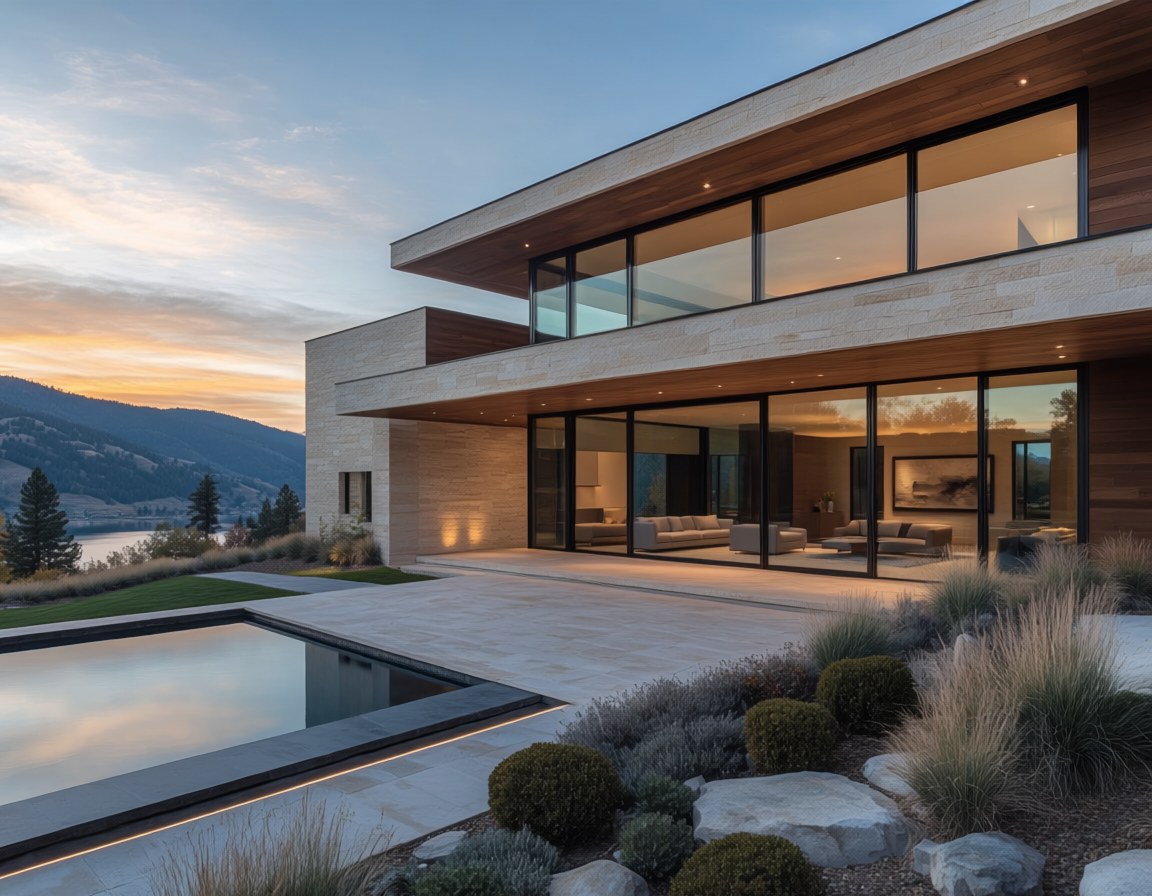
Windows are the eyes of your home—framing views, inviting natural light, and playing a pivotal role in energy efficiency and overall comfort. As we step into 2026, window replacement has evolved beyond mere functionality, incorporating smart technologies like integrated sensors for climate control and materials that adapt to environmental shifts for better insulation. Whether you’re dealing with drafty old panes that hike up your utility demands or simply aiming to refresh your home’s facade, replacing windows can transform your living space. This comprehensive guide explores the key aspects of window replacement, from selecting the right types to mastering installation tips. We’ll draw on insights from leading brands like Windsor, Simonton, Pella, and Marvin to help you navigate choices that align with your home’s needs. Throughout, we’ll emphasize how partnering with experienced contractors ensures a seamless process, turning potential challenges into opportunities for lasting enhancements.
By understanding these elements, you’ll be equipped to make decisions that not only boost your home’s performance but also its aesthetic appeal. Contractors bring invaluable expertise to this journey, from assessing your home’s unique structure to executing installations that maximize durability and efficiency. Their involvement guarantees that every detail, from material selection to final sealing, contributes to a superior outcome.
Why Consider Window Replacement in 2026?
Before diving into specifics, let’s examine the compelling reasons to replace your windows this year. Aging windows often lead to energy loss, with drafts and poor insulation contributing to inconsistent indoor temperatures. In 2026, advancements in glazing—like low-E coatings that reflect infrared light while allowing visible rays through—make replacements a smart upgrade for better thermal regulation. This ties directly into broader home efficiency, complementing features like advanced roofing or siding materials that create a cohesive envelope.
Replacement also addresses structural and safety concerns. Cracked frames or foggy panes can signal deeper issues, like moisture intrusion that weakens surrounding woodwork. Modern windows from brands like Pella incorporate reinforced designs that resist impacts from hail or debris, a boon for variable weather patterns. Aesthetically, new windows refresh your home’s look, aligning with trends toward larger, more expansive openings that blur indoor-outdoor boundaries.
The process itself has streamlined, with contractors using digital tools for precise measurements and virtual previews. Their role is crucial—they evaluate factors like your home’s orientation for optimal light capture and ventilation, ensuring replacements enhance daily living. By engaging pros early, you unlock tailored solutions that prevent common pitfalls, like mismatched styles that disrupt facade harmony, and pave the way for a project that’s efficient and rewarding.
Exploring Window Types: Finding the Perfect Fit for Your Home
Selecting the right window type is foundational, as it influences everything from ventilation to views. In 2026, options abound, with brands innovating to blend form and function seamlessly.
Double-hung windows remain a classic choice, featuring two operable sashes that slide vertically for easy cleaning and airflow control. Brands like Simonton offer these with vinyl frames that resist warping, ideal for homes seeking low-maintenance elegance. They’re versatile for traditional architectures, allowing top-down ventilation that expels warm air efficiently.
Casement windows, hinged on one side and cranked outward, provide unobstructed panoramas and maximum breeze capture. Pella’s versions incorporate fiberglass reinforcements for strength, making them suitable for contemporary designs where wide openings enhance natural light. Contractors often recommend them for kitchens or living areas, where their tight seals boost insulation when closed.
Sliding windows glide horizontally, offering effortless operation and modern appeal. Windsor’s models feature multi-chambered frames for superior thermal performance, fitting well in ranch-style homes or spaces with limited exterior clearance. Their design facilitates cross-ventilation, complementing energy goals by reducing reliance on mechanical cooling.
Awning windows, hinged at the top and opening outward, excel in providing rain-protected airflow. Marvin’s offerings include wood-clad exteriors for warmth, paired with aluminum for weather resistance—perfect for bathrooms or basements where privacy and ventilation intersect. Installed high on walls, they add rhythmic accents to facades.
Picture windows, fixed and expansive, prioritize views without operable parts. Simonton’s energy-efficient glass options minimize UV fading, making them focal points in living rooms. Contractors integrate them with flanking operatives for balanced functionality, creating gallery-like effects that flood interiors with light.
Bay and bow windows project outward, adding dimension and interior space. Pella’s bay configurations often include a central fixed pane with venting sides, enhancing architectural drama. These are contractor favorites for their ability to house seating nooks, requiring precise structural support during installation.
Specialty shapes like arches or circles offer bespoke flair. Marvin specializes in custom wood frames that curve gracefully, accenting gables or turrets for eclectic homes. Contractors handle their integration expertly, ensuring watertight fits that preserve energy efficiency.
Hopper windows, tilting inward from the bottom, are compact and secure for basements. Windsor’s vinyl hoppers provide excellent insulation, with contractors recommending them for below-grade spaces to promote airflow without compromising security.
Each type benefits from professional selection—contractors assess your home’s layout, climate needs, and style, recommending brands like these for optimal match. Their installations ensure smooth operation and tight seals, unlocking the full potential of your chosen windows.

Navigating Costs: What to Expect in Window Replacement
While minimizing focus on specifics, it’s helpful to understand general ranges based on material and complexity. For vinyl series windows, which offer affordability and low upkeep, costs typically start around 1400 and can reach up to 8000 depending on size, features, and customization. Brands like Simonton excel here with durable, energy-saving designs.
For metal exterior with wood interior options, blending strength and warmth, ranges often begin at 2600 and extend to 12000. Pella’s lines provide this hybrid, with contractors guiding selections that balance aesthetics and performance.
All-wood windows, prized for natural beauty and insulation, generally start from 2700 up to 13000. Marvin’s craftsmanship shines in this category, offering timeless appeal.
These figures reflect broad estimates influenced by factors like window count and labor. Contractors provide detailed breakdowns, focusing on value through quality installations that enhance longevity and efficiency, ensuring your investment yields lasting benefits.
Installation Tips: Ensuring a Flawless Process
Installation is where vision meets reality, and proper execution is paramount for performance. Start with thorough preparation—clear the work area, protect interiors with drop cloths, and discuss timelines to minimize disruptions.
Timing matters; aim for mild weather to avoid delays from rain or extreme cold. In 2026, contractors use weather-resistant barriers that allow work in varied conditions, but pros coordinate around forecasts for optimal results.
Material acclimation is key—allow windows to adjust to indoor temperatures before fitting to prevent warping. Contractors handle this expertly, ensuring frames align precisely with openings.
Structural checks are essential; assess for rot or uneven sills, repairing as needed. Professionals reinforce openings, integrating with existing insulation for better thermal seals.
Flashing and caulking prevent leaks—contractors apply these meticulously, using advanced silicones that flex with temperature changes.
Energy enhancements, like low-E glass or argon fills, amplify benefits. Contractors test for airtightness post-install, confirming efficiency gains.
Cleanup and walkthroughs finalize the process—pros remove debris and demonstrate operation, providing maintenance tips for longevity.
Throughout, contractors’ precision tools and techniques ensure installations that perform flawlessly, from smooth sashes to secure mounts.
Common Mistakes to Avoid in Window Replacement
Sidestepping pitfalls preserves your investment. Overlooking energy ratings can lead to higher bills—contractors recommend certified options for optimal savings.
Ignoring local codes risks rework; pros navigate permits seamlessly.
Rushing material choices without samples can result in mismatches—contractors offer on-site trials under natural light.
Skipping professional measurements invites ill-fits; experts use laser tools for accuracy.
Neglecting ventilation balance can cause condensation; contractors design for proper airflow.
Underestimating integration with siding or roofing overlooks harmony; pros coordinate for cohesive exteriors.
By relying on contractors, these errors become non-issues, ensuring a smooth, successful replacement.

The Long-Term Benefits of Thoughtful Window Replacement
Upgrading windows yields rewards beyond the immediate—improved insulation cuts energy demands, while enhanced security features provide peace. In 2026, smart integrations monitor performance, alerting to issues early.
Aesthetically, new windows refresh your home’s look, boosting curb appeal as explored in related guides on styles and resale impacts.
Durability against weather ensures longevity, with contractors’ installations maximizing this through precise fits.
This holistic upgrade, guided by professionals, elevates daily living and home value.
If you’re in the Minneapolis-St. Paul greater metropolitan area or throughout Minnesota, Presidential Construction in Maple Grove is your trusted partner for window replacements. Our team specializes in guiding you through types, costs, and installations with expertise. Call us at (651) 766-3464 or contact us to start your project—let’s illuminate your home together.
Replacing your windows is one of the best ways to improve your home’s energy efficiency, comfort, and curb appeal. Homeowners planning a window upgrade can also explore our guide on How Siding Affects Home Resale Value to see how exterior remodeling projects work together to increase property value. If you’re comparing different exterior improvements, our article on Roof Shingle Colors: 6 Things To Consider Before Choosing can help homeowners coordinate roofing and window styles for a more cohesive exterior appearance. Before starting any exterior remodeling project, it’s also helpful to review the 7 Questions to Ask Roofing Contractors in 2026 and learn How to Find a Trustworthy Local Roofer to ensure you’re working with experienced contractors who can properly protect and improve your home.