If you’re dealing with traffic noise, airplane rumble, or just a loud neighborhood bleeding through your windows, you’ve probably wondered whether triple pane windows would solve the problem. The short answer is yes — they reduce noise noticeably compared to single and double pane. But they’re not a magic fix, and the improvement depends on factors most window companies won’t tell you about upfront. After installing triple pane windows on homes across the Twin Cities — including properties near I-94, MSP flight paths, and busy commercial corridors — we can tell you exactly what to expect and what to watch out for.
The Science Behind Triple-Pane Windows and Noise Reduction
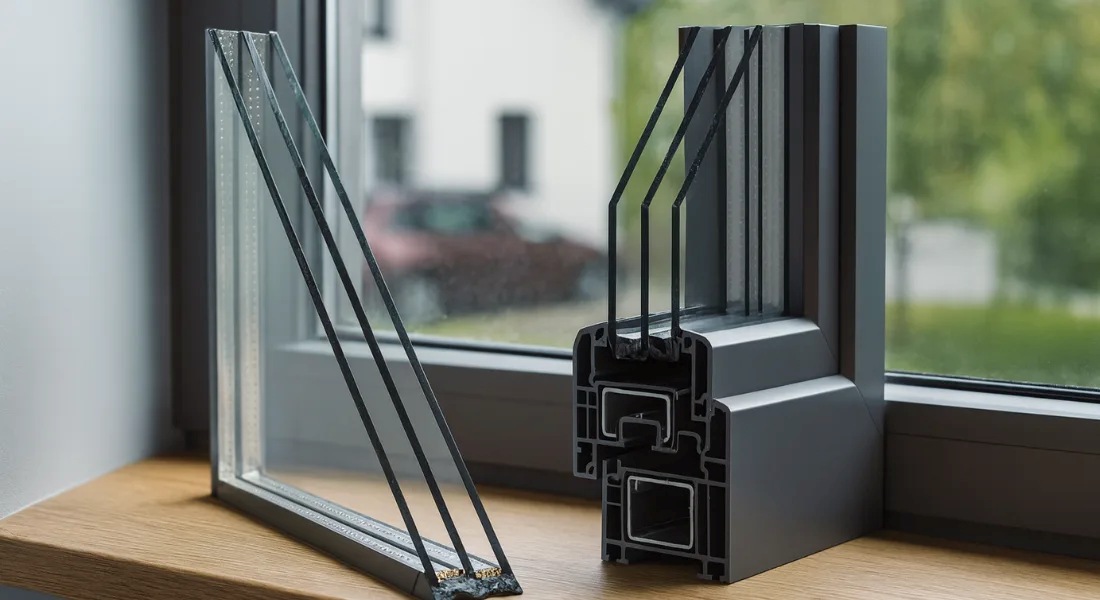
Noise pollution isn’t just annoying—it’s a health concern, linked to stress, sleep disturbances, and even cardiovascular issues. Triple-pane windows address this by creating multiple barriers that sound waves must pass through, absorbing and dissipating vibrations along the way. At their core, these windows feature three layers of glass separated by two insulating spaces, often filled with gases like argon or krypton that slow heat transfer and further muffle sound. The added pane increases the window’s mass, making it harder for low-frequency noises like traffic rumble or airplane engines to penetrate.
Sound transmission class (STC) ratings measure this effectiveness—standard double-pane windows might score 26-32 STC, meaning they reduce noise by that decibel level, but triple-pane can reach 28-34 STC or higher, blocking more of those intrusive sounds. In urban or suburban homes, where external noise is constant, this difference turns a buzzing background into a hushed whisper. The spaces between panes act as buffers, with the gas fill damping vibrations that would otherwise travel through solid glass.
Low-emissivity (Low-E) coatings add another layer—while primarily for energy, they reflect sound waves back outside. Warm-edge spacers, made from non-conductive materials, minimize vibration transfer at the edges, where noise often sneaks in. A homeowner living near a highway installed triple-pane windows and described the change as “life-altering”—the constant drone faded to a barely noticeable hum, allowing for uninterrupted conversations and better rest.
In cold climates, where thick snow can amplify silence but wind howls through gaps, triple-pane’s design also prevents condensation that fogs glass and reduces visibility. Professional contractors are crucial in optimizing this science—they measure sound levels with decibel meters during assessments, recommending glazing configurations that target specific noise frequencies, like low rumble from trucks or high-pitched from sirens. Their installations use acoustic caulking and weatherstripping to seal frames, ensuring no weak points undermine the windows’ soundproofing prowess. This tailored approach not only quiets your home but creates a sanctuary where external chaos stays outside.
Key Benefits of Triple-Pane Windows for Noise Control
The primary draw of triple-pane windows is their superior noise reduction, but the benefits ripple out to improve overall home life. In noisy environments, they create quieter interiors that support better sleep, productivity, and relaxation—essential for families, remote workers, or anyone seeking peace. The multiple panes and gas fills act as sound absorbers, cutting decibel levels significantly, so you hear less of the outside world without losing the views.
Energy efficiency is a close second—triple-pane construction traps heat inside during cold months, reducing drafts and the need for constant heating. This stability minimizes hot and cold spots near windows, making rooms more usable year-round. In humid conditions, the design reduces condensation, preventing moisture that can lead to mold or frame damage, promoting healthier indoor air.
Durability stands out too—the extra pane adds strength, resisting impacts from hail or debris better than double-pane. UV-blocking coatings protect interiors from fading, while the frames—often vinyl, fiberglass, or wood-clad—resist warping in temperature extremes. A couple in a bustling suburb upgraded to triple-pane and noted not only quieter evenings but clearer views without frost buildup, even during blizzards.
Aesthetics enhance the appeal—triple-pane windows come in styles like casement for tight seals, double-hung for ventilation, or picture for unobstructed quiet views. They maintain slim profiles despite the added layer, fitting modern or traditional homes without bulky looks. Professional contractors maximize these benefits through custom fits that eliminate gaps where noise could sneak in, using specialized sealants for airtight performance. Their work ensures the windows not only reduce sound but integrate with your home’s envelope for comprehensive comfort.
Security gets a boost—thicker glass deters break-ins, and the solid construction muffles external alarms or disturbances. For pet owners or parents, the quiet helps maintain calm indoors. Overall, triple-pane windows deliver a multifaceted upgrade that quiets the world outside while warming the world inside.

Comparing Triple-Pane to Double-Pane: Why the Extra Layer Matters for Noise
Double-pane windows provide good insulation with two glass layers and a gas fill, but for noise reduction, they fall short compared to triple-pane. The additional pane in triple-pane creates an extra buffer, absorbing more vibrations and reducing sound transmission by 10-20 decibels over double-pane. In high-noise areas, this difference turns intrusive sounds into background whispers.
Double-pane might suffice for mild noise, but in urban or traffic-heavy spots, triple-pane’s superior STC ratings (35-45 vs. 25-35) make a noticeable impact. The extra space allows for thicker gas fills like krypton, which further dampens sound waves. A homeowner near train tracks switched from double to triple-pane—the rumble that once vibrated through the house became a faint hum, improving sleep quality.
Triple-pane also excels in cold weather, with better U-factors (under 0.20) that prevent heat loss and condensation, issues double-pane can struggle with in extreme cold. Professional contractors help compare these, using sound demos or energy models to show the difference, ensuring your choice aligns with your home’s noise and climate needs. Their installations optimize both, with acoustic enhancements that double-pane alone can’t match.
When Triple Pane Makes Sense — and When It Doesn’t
Triple pane is worth the investment when:
- You live within a quarter mile of a highway, airport flight path, or major commercial corridor
- Street noise consistently exceeds 65 decibels outside your home
- You’re already replacing windows and the incremental cost is manageable
- You want both noise reduction AND maximum thermal performance in Minnesota’s climate
- Specific rooms face the noise source and need targeted treatment
Triple pane may NOT be worth it when:
- Your only goal is noise reduction and budget is tight — laminated glass in a double pane unit often provides equal or better acoustic performance at lower cost
- The noise is entering through walls, doors, or your attic rather than windows — triple pane won’t help if sound bypasses the glass entirely
- You’re in a quiet residential area where double pane already performs adequately
The most important thing we tell homeowners: no window is 100% soundproof. Triple pane reduces noise significantly, but it doesn’t eliminate it. If your expectations are realistic and the noise source is genuinely coming through your windows, the upgrade delivers.
What Matters More Than Adding a Third Pane
The third pane helps, but these factors often have a bigger impact on noise reduction than simply adding another layer of glass:
Laminated glass. A PVB interlayer between two glass panes dampens vibrations more effectively than a third pane of standard glass. Many acoustic specialists recommend laminated glass as one layer in a triple pane unit for maximum noise reduction. This combination outperforms standard triple pane significantly.
Dissimilar glass thickness. Using different thicknesses for the inner and outer panes disrupts resonance — sound waves that pass easily through identical glass layers get broken up by varying thicknesses. A triple pane unit with 3mm, 4mm, and 5mm glass outperforms one with three identical 4mm panes.
Gas fill. Argon is standard. Krypton is denser and slows sound transmission further, but costs more. The gas fill matters because it’s what sits between the panes where sound waves need to be dampened.
Frame quality and installation. Sound finds the path of least resistance. If your window glass is excellent but the frame has gaps, the seal is incomplete, or the installation left voids around the opening, noise walks right through those weak points. Proper acoustic caulking, expanding foam insulation, and tight weatherstripping are as important as the glass itself.
Spacing between panes. More space between glass layers gives sound waves more distance to weaken. Triple pane units compress two gas chambers into the same overall frame depth, which can actually reduce the space per chamber compared to a wide double pane unit. This is why triple pane doesn’t always outperform double pane on pure acoustics as dramatically as you’d expect.
| Feature | Single Pane | Double Pane | Triple Pane |
|---|---|---|---|
| Glass Layers | 1 | 2 | 3 |
| Gas Fill Chambers | 0 | 1 | 2 |
| Typical STC Rating | 26-28 | 26-32 | 28-34 |
| Noise Reduction vs Single | Baseline | 15-25% improvement | 20-30% improvement |
| U-Factor | 1.0+ | 0.25-0.40 | 0.15-0.25 |
| Condensation Resistance | Poor | Good | Excellent |
| Weight | Lightest | Moderate | 40-50% heavier |
| Cost vs Double Pane | — | Baseline | 30-50% more |
| Best For | Mild climates, low noise | Most homes | Cold climates, high noise areas |
Noise Reduction Considerations for Minnesota Homes
In the Twin Cities, the most common noise complaints we hear from homeowners are:
- Highway noise from I-94, I-35E, I-35W, I-494, and I-694 corridors
- MSP airport flight path rumble in Richfield, Bloomington, Eagan, and parts of South Minneapolis
- Commercial corridor noise along University Avenue, Snelling Avenue, Lake Street, and similar busy roads
- Construction and traffic in growing suburban areas like Woodbury, Minnetonka, and Maple Grove
For homes near highways and the airport, low-frequency rumble is the primary issue. This is where the OITC (Outdoor-Indoor Transmission Class) rating matters more than STC. OITC specifically measures performance against low-frequency sounds like traffic and aircraft. When evaluating windows for noise, ask for OITC ratings — not just STC — because a window can have a decent STC but still let low rumble through.
In Minnesota, triple pane also delivers a secondary benefit that makes the cost easier to justify: thermal performance. Our winters demand windows with the lowest possible U-factors, and triple pane delivers. So you’re not just paying for noise reduction — you’re getting the best thermal insulation available at the same time. That dual benefit makes triple pane pencil out more favorably here than it would in a mild climate where thermal performance isn’t as critical.
Styles of Triple-Pane Windows That Excel in Noise Reduction
Triple-pane windows come in various styles, each offering unique benefits for noise control while suiting different home designs. Casement windows, hinged on one side and cranked shut, create a compression seal that’s exceptionally tight, blocking sound waves effectively. They’re ideal for bedrooms or home offices where quiet is paramount, with the full opening providing ventilation without letting in noise when closed.
Double-hung windows, with two operable sashes, offer versatility—tilt-in for cleaning and a secure lock that enhances the seal for noise reduction. They’re perfect for traditional or colonial homes, where the classic look pairs with modern triple-pane insulation. Awning windows, top-hinged, provide rain-proof ventilation and a strong seal when latched, making them great for bathrooms or kitchens near noisy streets.
Fixed picture windows, with no moving parts, maximize glass area for light while providing excellent sound insulation due to their stationary design—ideal for living rooms where views matter but noise doesn’t. Sliding windows glide horizontally with weatherstripping that minimizes sound leakage, suitable for patios where easy access is needed without compromising quiet.
A family in a noisy suburb chose casement triple-pane for their front rooms—the crank seal muffled traffic so well, it felt like a different house. Professional contractors help select and position these styles, ensuring they fit your layout for balanced light, ventilation, and silence, turning your home into a peaceful haven.

Additional Advantages of Triple-Pane Windows Beyond Noise
While noise reduction is a star benefit, triple-pane windows offer more. Superior insulation keeps homes warmer in winter and cooler in summer, with low U-factors reducing heat transfer. This stability eases HVAC strain, promoting even temperatures across rooms.
Condensation resistance prevents fogging or frost, maintaining clear views and reducing moisture that leads to mold. UV protection shields interiors from fading, preserving furniture and flooring. Durability is enhanced—the extra pane adds strength against impacts, and frames like fiberglass resist warping in cold.
Security improves with thicker glass deterring break-ins. For allergy sufferers, tighter seals block pollen and dust. Home value rises with these features, appealing to buyers seeking efficient homes.
Professional contractors maximize these through precise installations that eliminate gaps, integrating windows with your insulation for comprehensive gains.
The Contractor’s Role: Expertise for Quiet, Efficient Homes
Professional contractors are essential for triple-pane installations, assessing with sound meters and recommending glazing for peak reduction. Their work uses acoustic caulking for seals that block noise effectively.
Homeowners value how pros transform noisy homes into peaceful retreats.
A Complete Exterior: Windows and More
Window upgrades often highlight exteriors—pairing with siding or roofs creates harmony.
At Presidential Construction, we craft integrated solutions for beautiful homes. Located in Maple Grove, Minnesota, we proudly serve the Minneapolis-St. Paul greater metropolitan area.
Ready to quiet your home with triple-pane windows? Contact Presidential Construction today at (651) 766-3464 or visit our website for a no-obligation consultation. We’re here to silence the noise—your project awaits!
Window Triple-Pane FAQ
How much quieter will my home be with triple pane windows?
Expect a 20-30% improvement in noise reduction over standard double pane windows. In practical terms, a busy street that currently sounds clearly audible through your windows will become a muffled background hum. You’ll still know traffic is there, but it won’t dominate the room. The improvement is most noticeable in bedrooms and home offices where quiet matters most.
Are triple pane windows better than double pane for noise?
They’re better, but the difference isn’t as dramatic as most people expect. Triple pane typically scores 28-34 STC versus 26-32 for double pane. The bigger improvement comes from upgrading glass type — laminated glass with a PVB interlayer in a double pane unit can actually outperform standard triple pane on noise reduction alone. For the best results, we recommend laminated glass as one layer within a triple pane unit.
Do triple pane windows block airplane noise?
They help significantly with high-frequency jet sounds but are less effective against the low-frequency rumble that shakes through a home when planes are overhead. For homes under MSP flight paths, we recommend triple pane with laminated glass and dissimilar glass thicknesses to target a broader range of frequencies. Look for OITC ratings rather than just STC when evaluating options for aircraft noise.
Are triple pane windows worth the extra cost?
In Minnesota, yes — because you’re getting both noise reduction and the best available thermal insulation in one product. Triple pane typically costs 30-50% more than double pane. For a home with 12-15 windows, that can mean $3,000-$7,000 additional. But in a climate where heating costs are significant and winter lasts five months, the energy savings compound over the window’s 20-25 year lifespan, offsetting much of the premium.
What’s the difference between STC and OITC ratings?
STC (Sound Transmission Class) measures noise reduction across a broad frequency range, weighted toward mid and high frequencies like voices and music. OITC (Outdoor-Indoor Transmission Class) focuses on lower frequencies like traffic, aircraft, and trains. For homes near highways or airports, OITC is the more relevant metric. Ask your window supplier for both ratings — not just STC.
Can I add triple pane to just some of my windows?
Absolutely, and it’s one of the smartest ways to manage cost. Install triple pane on the windows that face the noise source — typically the street-facing side or the side closest to a highway. Windows on the quiet side of the house can stay double pane without sacrificing overall performance. We help homeowners identify which openings benefit most from the upgrade during the assessment.