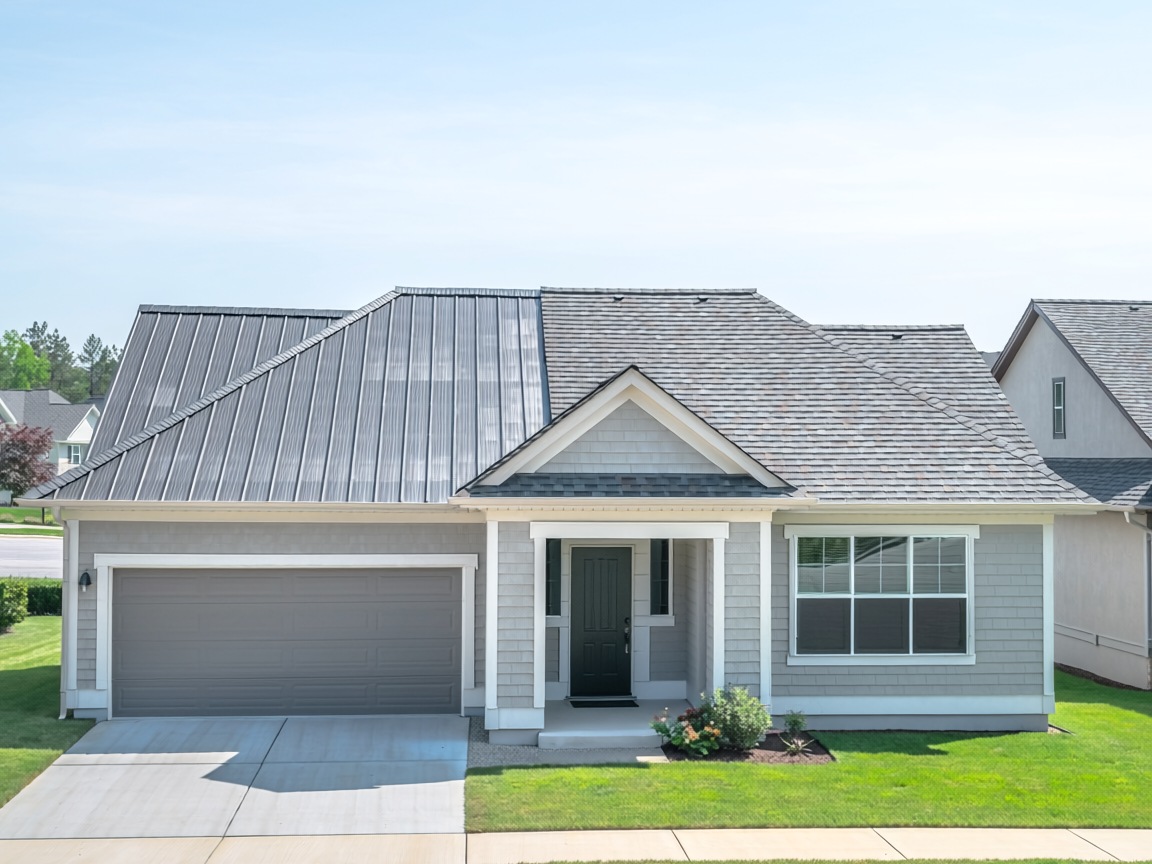
When it’s time to replace your roof, the choice between metal and asphalt shingles can feel like a crossroads—each path offers distinct advantages, but one may align better with your home’s needs, local weather patterns, and long-term goals. Metal roofing has gained popularity for its modern look and durability claims, while asphalt shingles remain a trusted staple for residential homes, delivering reliable performance with versatile style options. In regions with harsh winters, heavy hail, and variable temperatures, the decision isn’t just about aesthetics; it’s about selecting a material that stands up to the elements while minimizing future headaches. Drawing from real homeowner experiences and professional installation insights, this guide compares the two, with a focus on why asphalt shingles often emerge as the superior choice for replacements. We’ll explore durability, weather resistance, maintenance, and emerging concerns like cosmetic exclusions that can impact your peace of mind.
Whether your current roof is showing signs of age like granule loss or curling edges, or you’re proactive about an upgrade to enhance efficiency and curb appeal, understanding these materials empowers you to make a decision that protects your investment. We’ll highlight key factors, including how asphalt’s adaptability makes it a practical favorite, while metal’s drawbacks—particularly in storm-prone areas—can lead to unexpected challenges. Throughout, we’ll emphasize the critical role of professional contractors, who bring expertise to assess your roof’s condition, recommend the best fit, and execute installations that ensure peak performance. Their guidance not only navigates material choices but sets the stage for complementary upgrades, like energy-efficient windows that seal drafts, reduce noise from storms, and invite more natural light to create brighter, more comfortable interiors.
Durability and Longevity: Where Asphalt Shines in Everyday Resilience
Durability is the cornerstone of any roof replacement, determining how well it holds up to daily wear and extreme events. Asphalt shingles, composed of a fiberglass mat coated in asphalt and topped with protective granules, offer a balanced resilience that’s proven in residential settings. They flex under temperature changes without cracking, absorb impacts from falling branches or debris, and maintain integrity through freeze-thaw cycles that can stress other materials. Premium architectural asphalt shingles, with their dimensional layering, provide enhanced wind resistance—often rated for gusts up to 130 mph—and granule coatings that shield against UV degradation, extending life to 30-50 years with proper installation.
Metal roofing, typically steel or aluminum panels, boasts impressive longevity claims of 40-70 years, but in practice, it faces vulnerabilities that can shorten this in real-world conditions. Dents from hail or impacts are common, as the rigid surface doesn’t absorb shocks like asphalt’s flexible composition. In areas with frequent hail, these dents can accumulate, compromising the roof’s smooth profile and potentially leading to water pooling or corrosion over time. While metal resists rot and pests, its expansion and contraction in heat can loosen fasteners, creating gaps that allow moisture entry.
A homeowner who chose asphalt after a windstorm praised how it withstood subsequent gusts without the rattling or detachment issues their neighbor’s metal roof experienced. For replacements, asphalt’s ability to conform to roof contours ensures a tight fit, reducing weak points. Professional contractors amplify this by using high-quality underlayment and nailing techniques that secure asphalt firmly, avoiding the noise and vibration problems that can plague metal installations. Their expertise in selecting granule-rich asphalt variants ensures superior protection against everyday wear, making it a practical choice for long-term durability without the dent-prone drawbacks of metal.

Weather Resistance: Asphalt’s Adaptability vs. Metal’s Vulnerabilities
Weather is the ultimate test for any roof, and asphalt shingles excel in adaptability across diverse conditions. They shed snow easily in winter, preventing heavy loads that stress structures, and their granule layer reflects UV rays in summer, keeping attics cooler and reducing energy demands. In hail events, asphalt absorbs impacts better, with granules cushioning blows to minimize cracking—premium options even carry impact ratings that maintain integrity through severe storms.
Metal roofs perform well in snow, sliding it off to avoid accumulation, but hail is a different story. The hard surface dents easily, creating cosmetic imperfections that, while not always functional, can lead to insurance challenges. Recent trends in policies include cosmetic exclusions for metal roofs, where dents that don’t impair performance aren’t covered, leaving homeowners with visible flaws that detract from curb appeal without easy remedies. In wind, metal can rattle or lift if not fastened perfectly, amplifying noise inside and risking detachment.
A family in a hail-heavy area replaced their dented metal roof with asphalt—the contractor’s choice of impact-resistant shingles ensured it held up flawlessly in the next storm, without the unsightly pocks that plagued the old one. For residential replacements, asphalt’s flexibility withstands temperature swings without the expansion noise of metal, providing quieter, more reliable weather resistance. Contractors optimize this by incorporating ventilation and underlayment that complement asphalt’s properties, avoiding the cosmetic and coverage pitfalls that can come with metal.
Maintenance and Upkeep: Asphalt’s Ease Over Metal’s Demands
Maintenance is a key factor in roof ownership, and asphalt shingles offer straightforward care that fits busy lifestyles. Granule loss is minimal with quality installations, and occasional inspections for loose edges are simple. They don’t require special cleaning to prevent corrosion, as metal does in salted or humid environments, where scratches can lead to rust if not addressed promptly.
Metal roofs demand vigilant upkeep—dents from hail or debris need evaluation, and coatings can chip, exposing the surface to oxidation. Cosmetic exclusions in policies mean these imperfections often stay, affecting appearance without functional fixes. Noise from rain or hail on metal can be disruptive, requiring additional insulation to mitigate—a step not needed with asphalt’s natural sound absorption.
Homeowners who switched from metal to asphalt appreciated the quiet during storms and the ease of spot repairs without worrying about rust or dents. For replacements, asphalt’s low-maintenance nature reduces long-term effort. Contractors enhance this by using self-sealing strips and proper ventilation to prevent issues like ice dams, ensuring asphalt performs with minimal intervention compared to metal’s demands.
Aesthetic Versatility: Asphalt’s Style Options vs. Metal’s Limitations
Aesthetics play a big role in replacements, as the roof defines your home’s silhouette. Asphalt shingles offer unmatched versatility, with architectural styles mimicking slate, wood, or tile in a rainbow of colors and textures. This allows customization to match your siding, trim, or landscape, creating a cohesive look that’s timeless or trendy.
Metal roofing provides a sleek, contemporary vibe with standing seam or panel designs, but options are more limited—colors fade faster in sun, and dents from hail create permanent cosmetic flaws that policies increasingly exclude from coverage. This can leave your roof looking battered without easy solutions, detracting from curb appeal.
A couple replacing their dented metal chose asphalt for its wood-like texture that blended with their forest setting—the contractor’s samples ensured a perfect match, avoiding the visible imperfections metal left. For residential homes, asphalt’s range allows creative expression without metal’s dent risks. Contractors use renderings to preview, ensuring the replacement enhances beauty without cosmetic worries.

Energy Efficiency: Asphalt’s Balance Over Metal’s Extremes
Energy performance is increasingly important, and asphalt shingles provide balanced efficiency with granule reflection that keeps attics cooler in summer. Cool roof variants further reduce heat absorption, easing cooling loads.
Metal roofs reflect heat well but can radiate it back in winter, increasing heating demands unless insulated properly. Dents from hail disrupt this smooth surface, potentially affecting efficiency over time.
Homeowners favor asphalt for its consistent thermal performance without metal’s extremes. Contractors optimize with underlayment and ventilation, ensuring asphalt delivers efficiency without cosmetic or maintenance drawbacks.
The Contractor’s Role: Expertise for Optimal Replacements
Professional contractors are essential for navigating material choices, assessing your roof’s needs, and recommending asphalt for its versatility and reliability. Their installations use techniques like proper nailing for wind resistance, avoiding metal’s dent and noise issues.
Homeowners value how pros transform replacements into enhancements, delivering results that protect and beautify.
At Presidential Construction, we craft integrated solutions for resilient homes. Located in Maple Grove, Minnesota, we proudly serve the Minneapolis-St. Paul greater metropolitan area.
Ready to replace your roof? Contact Presidential Construction today at (651) 766-3464 or visit our website for a no-obligation consultation. We’re here to protect your home—your project awaits!